
Dr. Pragya Chaube is Assistant Professor at the UPES University, India. She is a co-chair of the CODATA Connect Early Career Network and co-founder Open Science South Asia Network (OSSAN). Pragya’s participation in the International Science Council’s (ISC) Midterm Membership Meeting and Beijing Science Dialogue was kindly supported by the ISC and by the China Association for Science and Technology (CAST).
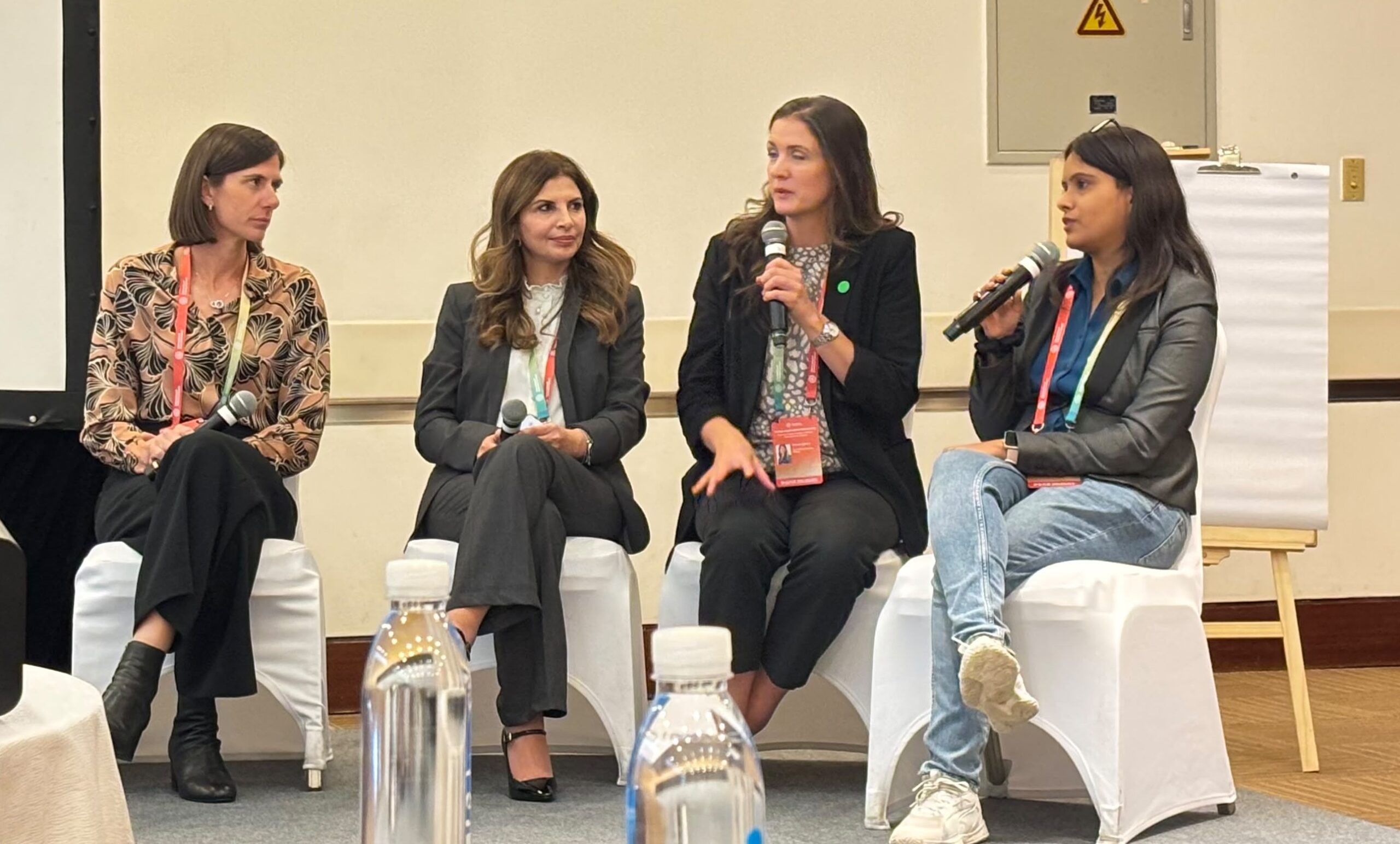 I had the opportunity to spend the week of 19–24 October in Beijing, alongside a large gathering of scientists and representatives of national science academies from across the globe, reflecting on the future of science. More than 1,000 people from over 80 countries and regions came together for these discussions. We welcomed a new ISC President, Robbert Dijkgraaf, and, on the final day, adopted the Beijing Science Declaration: Science in a Complex World, Science for a Better Future.
The meeting covered many important issues, but I left Beijing reflecting on a question that connects many of them for me: What kind of research ecosystem do we want to build for the future, and what needs to change to get there?
From declarations to implementation
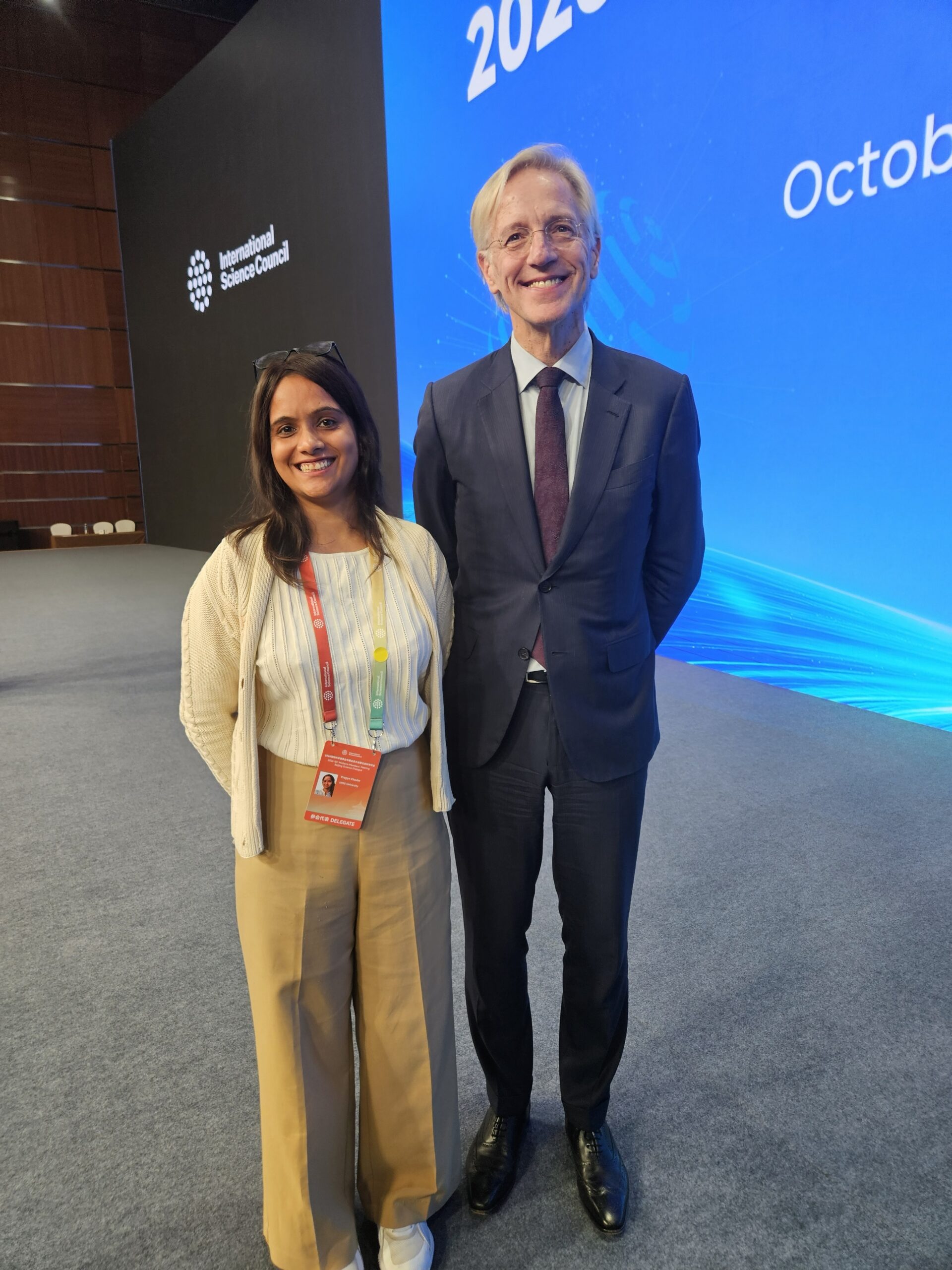 The Beijing Science Declaration is ambitious and well put together. Its 18 commitments cover scientific freedom, responsible AI, public trust, and a stronger role for science in what follows the 2030 Agenda. It sets an important vision for science and society. I did, however, feel that the consultation period was quite short. The draft was shared with us on 13 October, with responses requested by 19 October. A little more time could have allowed for deeper reflection and discussion.
More broadly, I found myself thinking about what comes after a declaration is adopted.
We often agree on what we want to achieve. The next question is how we get there. Open science is one example. It needs infrastructure, sustained funding and viable financial models. It also requires institutions to recognise and reward open practices.
The declaration establishes long-term commitment towards openness. Developing practical ways to deliver on its commitments is just as important.
Open science in the age of AI
One question raised by the new ISC President, Robbert Dijkgraaf, stayed with me. In his speech, he asked whether open science is still the right approach when AI systems can use the same data. “Are we being naïve …?”
Read the full blog here