
Dr. Pragya Chaube is Assistant Professor at the UPES University, India. She is a co-chair of the CODATA Connect Early Career Network and co-founder Open Science South Asia Network (OSSAN). Pragya’s participation in the International Science Council’s (ISC) Midterm Membership Meeting and Beijing Science Dialogue was kindly supported by the ISC and by the China Association for Science and Technology (CAST).
I had the opportunity to spend the week of 19–24 October in Beijing, alongside a large gathering of scientists and representatives of national science academies from across the globe, reflecting on the future of science. More than 1,000 people from over 80 countries and regions came together for these discussions. We welcomed a new ISC President, Robbert Dijkgraaf, and, on the final day, adopted the Beijing Science Declaration: Science in a Complex World, Science for a Better Future.
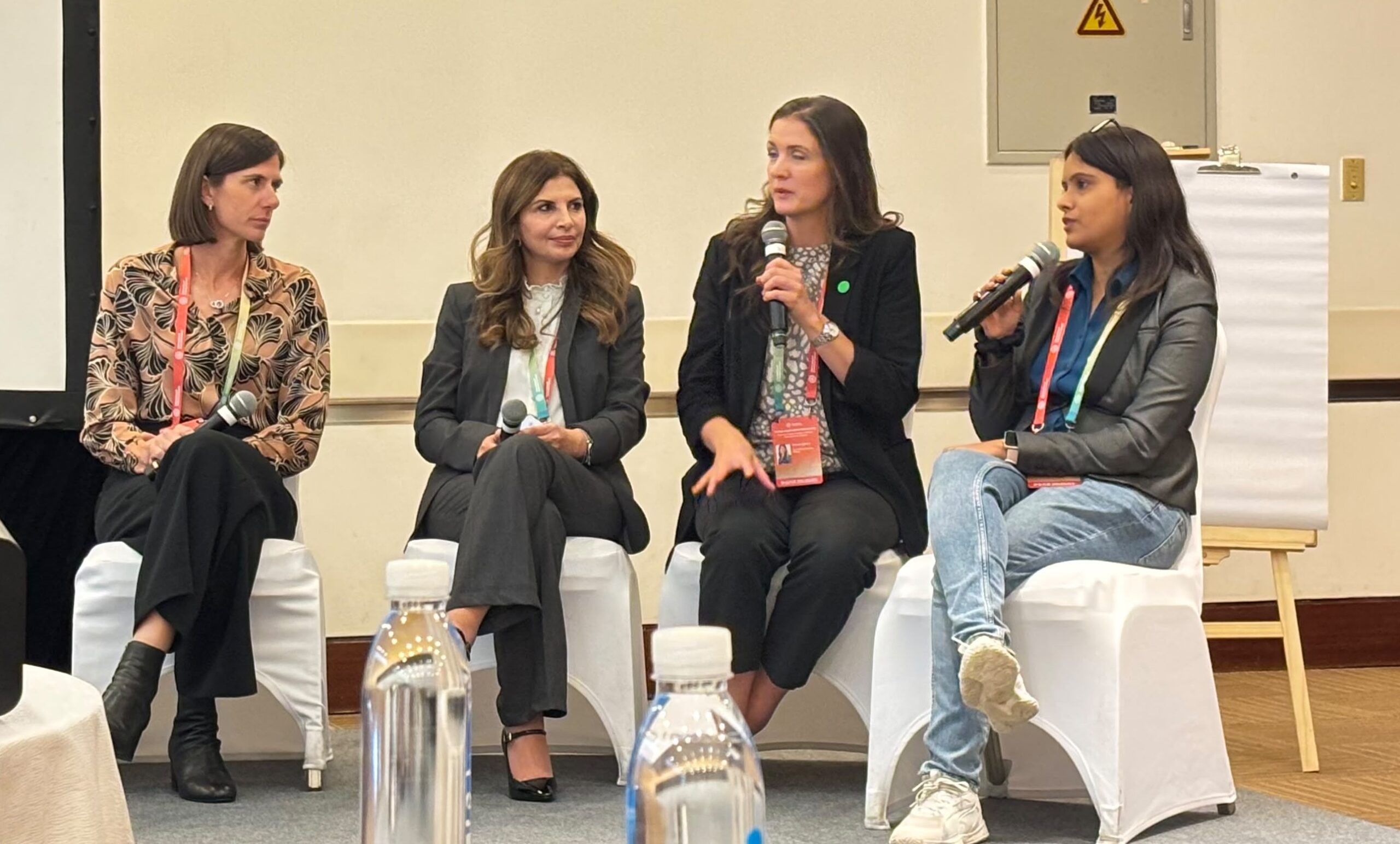
The meeting covered many important issues, but I left Beijing reflecting on a question that connects many of them for me: What kind of research ecosystem do we want to build for the future, and what needs to change to get there?
From declarations to implementation
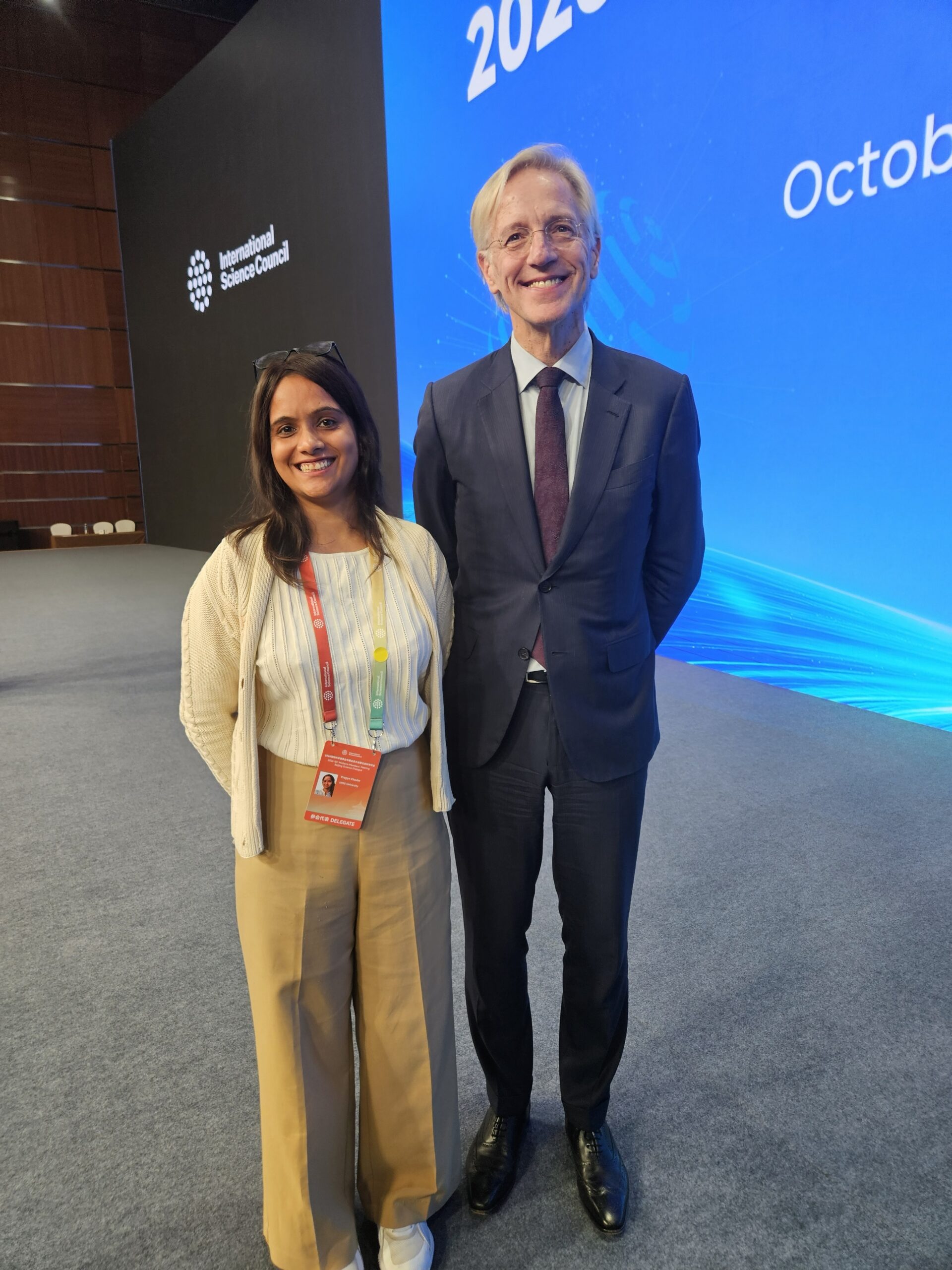 The Beijing Science Declaration is ambitious and well put together. Its 18 commitments cover scientific freedom, responsible AI, public trust, and a stronger role for science in what follows the 2030 Agenda. It sets an important vision for science and society. I did, however, feel that the consultation period was quite short. The draft was shared with us on 13 October, with responses requested by 19 October. A little more time could have allowed for deeper reflection and discussion.
More broadly, I found myself thinking about what comes after a declaration is adopted.
We often agree on what we want to achieve. The next question is how we get there. Open science is one example. It needs infrastructure, sustained funding and viable financial models. It also requires institutions to recognise and reward open practices.
The declaration establishes long-term commitment towards openness. Developing practical ways to deliver on its commitments is just as important.
Open science in the age of AI
One question raised by the new ISC President, Robbert Dijkgraaf, stayed with me. In his speech, he asked whether open science is still the right approach when AI systems can use the same data. “Are we being naïve …?”
It is an important question. It does not mean that we should abandon open science. Rather, it asks us to think more carefully about the systems that support it.
Who benefits when research data is openly available? Who controls how it is reused? How do we ensure that communities retain a say in the use of their data? These questions matter particularly for data sovereignty and Indigenous data governance. Openness needs to work alongside principles such as CARE, which emphasise collective benefit, authority to control, responsibility and ethics.
As AI changes how knowledge is produced and used, we need to reconsider how our systems can support openness while ensuring accountability and equitable benefits.
Science in a world of geopolitical tensions
Geopolitical tensions make international scientific cooperation more difficult. I felt that there was scope to give greater attention to the role of science diplomacy in addressing these challenges.
The declaration recognises scientific and academic freedom, including the right of researchers to cooperate internationally. This is important. But how do we turn this commitment into practice when researchers face visa barriers, restrictions on mobility and political tensions between countries? The ability to collaborate should not depend so heavily on where a researcher comes from. There is room for greater advocacy and international cooperation to address these barriers.
There is also another dimension to the digital divide. A country’s AI capacity depends not only on its own skills, infrastructure and investment. It is also shaped by where AI hardware and software companies are based and who controls these technologies. Because these companies sit in only a few countries, geopolitical tensions between nations can quickly become barriers for researchers elsewhere. Access to chips, computing power or AI tools can be restricted, become costly, or change overnight, regardless of a country’s own capacity. These questions deserve attention when we discuss equitable participation in AI. Science diplomacy could help us think about these global dependencies and how they affect the future of scientific cooperation.
 Science as a public good
The meeting included a panel on science as a public good. This is an important principle, and one that the Beijing Science Declaration rightly emphasises. But what does it mean for the kind of science we choose to fund?
In his speech, Robert Dijkgraaf made an important point about the pressures facing fundamental research. In many countries, the demand for immediate economic returns and new technologies is leaving less room for curiosity-driven research. Yet some of our most transformative technologies have emerged from research that was not originally driven by a specific application.
This is particularly relevant for low- and middle-income countries, where the emphasis on solving immediate societal challenges can sometimes overshadow the importance of basic research. These challenges are real and deserve attention. But we must also make space for research whose value we cannot predict in advance.
Fundamental research is also a global public good. Its benefits do not stop at national borders. This makes me wonder whether science diplomacy could play a greater role in building international support for research that individual countries may struggle to prioritise or fund on their own.
Thinking about the research ecosystem we want
For me, the biggest takeaway from Beijing was how interconnected these questions are.
The openness of research, the use of AI, the skills we want future researchers to develop, and the way we fund and assess science cannot be considered separately.
If AI changes how research is conducted, we need to think about the skills researchers will need. If we want more open and collaborative research, we need institutions that support these practices. And if we want researchers to take on new responsibilities, we need to consider what our research assessment systems reward.
Research assessment reform is therefore an important part of this conversation. We cannot expect the research ecosystem to evolve if the incentives remain unchanged.
This also brings me to the role of early- and mid-career researchers (EMCRs).
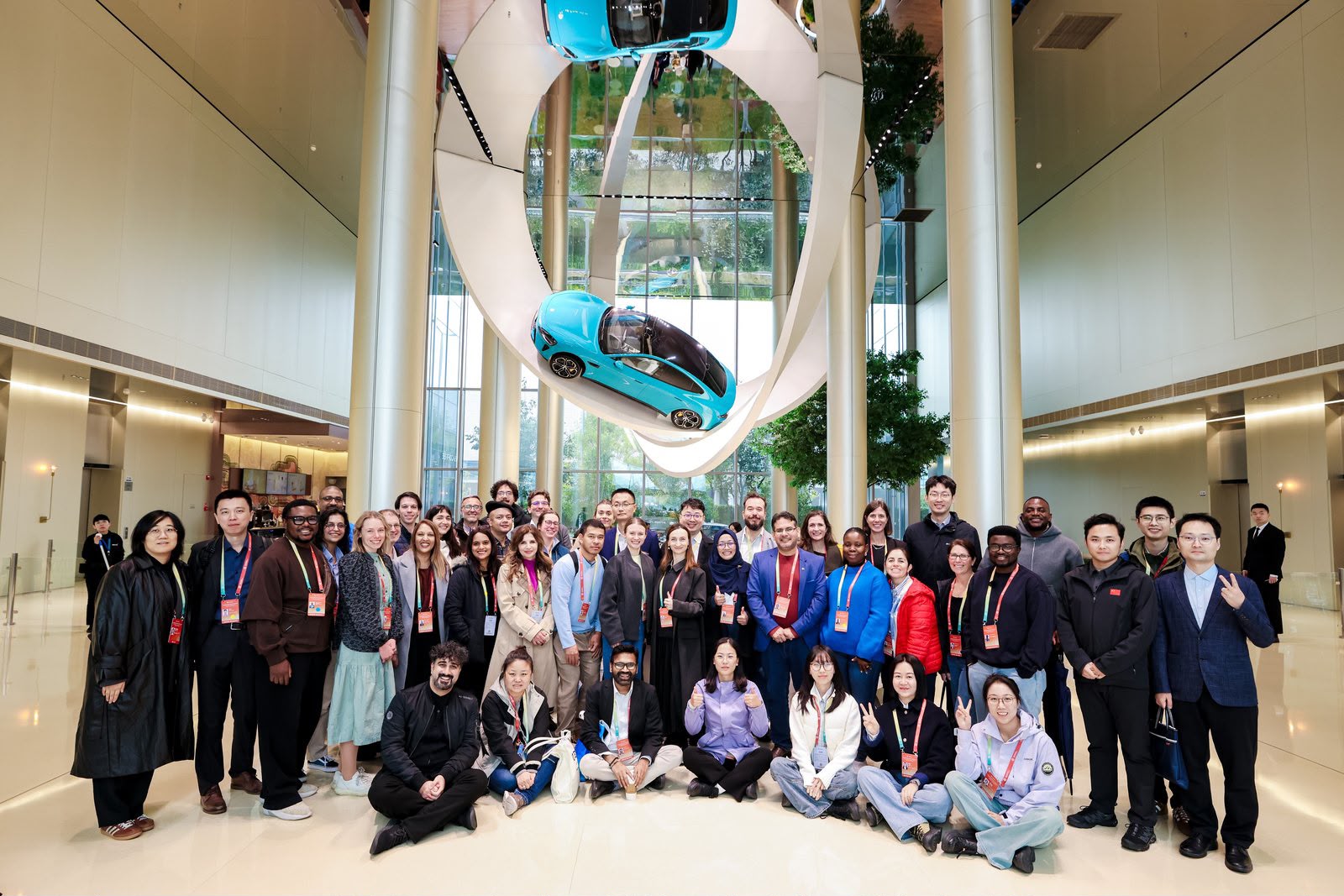
The EMCRs had a dedicated programme during the meeting. It included a half-day session on the first day, an outing on the second, and a full day on Thursday. It was a valuable opportunity to connect with researchers at similar career stages. At the same time, I wondered whether there could have been more opportunities for EMCRs to participate in the main discussions, particularly those on science policy and the future of research. A dedicated programme has its value. But so does being part of the wider dialogue, alongside those shaping science policy today.
If we are thinking about the future of science, we should also think about how the next generation of researchers can help shape it. This means giving them opportunities not only to develop new skills, but also to contribute to the policy discussions that will influence their careers and the research environments in which they work.
The Beijing Science Declaration sets out an ambitious vision. The work ahead is to translate that vision into practice, through sustained funding, institutional change, international cooperation and a willingness to rethink how we value science. For me, the bigger question is how we shape the research ecosystem that will enable future generations of researchers to realise this vision.