
Author Archives: codata_blog

Lianglin Hu: Candidacy for CODATA Executive Committee Ordinary Member

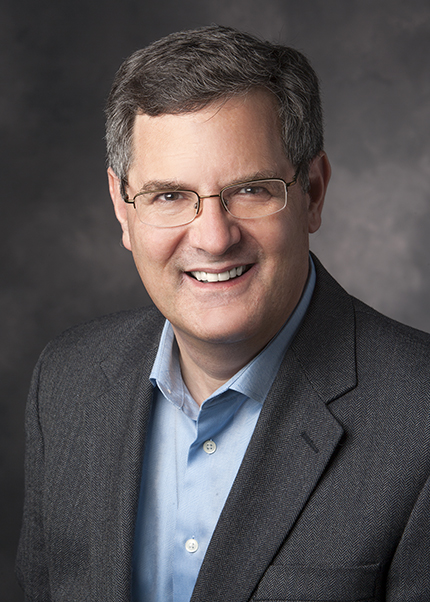
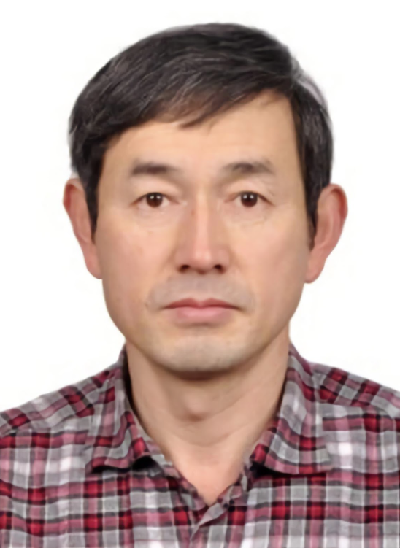
This is the ninth in the series of short statements from candidates in the coming CODATA Elections at the General Assembly to be held on 17-18 October 2025. Lianglin Hu is a candidate for the CODATA Executive Committee as an Ordinary Member. He was nominated by China.
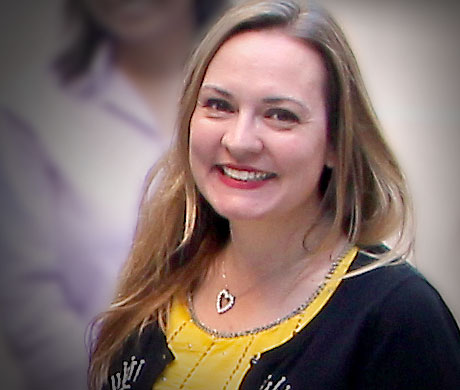
Professor Hu Lianglin currently serves as the Deputy Director of the Big Data Department at the Computer Network Information Center (CNIC), Chinese Academy of Sciences (CAS). He is also the Secretary General of CODATA China and the Director of the National Basic Science Data Center (NBSDC), the only national data center cross all basic science domains supported by the Ministry of Science and Technology and the Ministry of Finance of the People’s Republic of China. Additionally, he initiated and promoted CODATA’s work on data ethics. With over two decades of dedicated research and practical involvement in scientific data governance and open sharing, he has made significant contributions in areas such as the development and application of multidisciplinary data resources, data quality, data policy, data standards, data ethics, and open-sharing models, which include data publication since 2015 and new model based on trusted data spaces since 2024.

He actively participated in five consecutive CODATA conferences starting in 2004. In 2006, he took charge of organizing the China-US Roundtable on Scientific Data Cooperation. Furthermore, in 2021, he proposed the establishment of the CODATA Data Ethics Task Group, which was approved as a working group in 2022 and upgraded to a task group in 2023. Since then, he has been collaborating with Prof. Johannes John Langba, Dr. Andrew M. Cox, Dr. Louise Bezuidenhout, and others to promote research in this area. Additionally, serving as Secretary General of CODATA China since 2021, he has efficiently organized five successful China Science Data Conferences, with a total attendance exceeding 3,000 participants. During his tenure, the China Scientific Data Conference was restructured to facilitate discussions related to CODATA’s strategies, the implementation of FAIR principles, and other priorities proposed by the international data community. The latest conference, themed Scientific Data and Sustainable Development, attracted more than 500 data experts in China, including executives from 90% of national science data centers. Moreover, his dedication extends to promoting the work of GOSC’s data interoperability group, where he serves as secretary.

He conducted extensive research and practical work on the development and application of multidisciplinary data resources, data open-sharing service models, data quality, data standards, and data policy.

Multidisciplinary Data and its Cross-domain Applications. The NBSDC, which he leads, has gathered and managed basic science data across fields such as physics, chemistry, materials science, zoology, botany, and information science, with a total data volume exceeding 3 petabytes. Since 2024, he has organized numerous meetings focused on interdisciplinary research driven by scientific data and has funded five projects studying urban environmental health, the impact of geographical ecology on human development, drug research on natural products, and more.

Data Open-sharing Models. He collaborated with Professor Li Jianhui to introduce the FAIR principles and data publishing in China. Together, they successfully launched China Scientific Data (http://www.csdata.org/en), the first bilingual and multidisciplinary open-access data journal. They also established the Science Data Bank (https://www.scidb.cn/en) as a supporting data repository, which later became the designated general repository for Nature journals. With the fundamental changes brought about by AI access to data and the increasing demand from data sharers to understand the subsequent utilization of their data, starting in 2024, he led his team to explore data service models based on trusted data spaces. In July 2025, NBSDC’s Basic Science Data Space was successfully selected as a 2025 Trusted Data Space Development Pilot by the National Data Administration.

Data Quality. He proposed a comprehensive framework based on the scientific data life cycle, including an evaluation index system with corresponding methods and a maturity model for assessing data quality. This model has been widely adopted in China and has contributed to the development of certification standards. Additionally, he played a key role in establishing important national standards such as GB/T 34945-2017 Data Provenance Descriptive Model, GB/T 36344-2018 Evaluation Indicators for Data Quality, and GB/T 43707-2025 Scientific Data Provenance Metadata, and his team developed a series of software to support the implementation of the standards, some of which were introduced in last year’s training class for developing countries.

Data standard. He proposed a comprehensive framework for the scientific data standard system and led the development of more than 40 standards covering all stages of the scientific data life cycle, including both national and group standards. The Chinese national standard “GB/T 42813-2023 Data Paper Publication Metadata, by his team, was announced on the official website of the Chinese government, and recommended for adoption as a proposed standard by ISO/TC 46 at the 52nd annual meeting in 2025. Furthermore, since 2022, he has served as China’s expert for ISO/TC 184/SC 4/WG 13 – Industrial Data Quality.

Data Policy. He led the development and implementation of a CAS-level data policy titled “Measures for Scientific Data Management and Open Sharing in CAS” in 2019. As AI increasingly accesses data, he has guided his graduate students in developing a comprehensive ethical framework that integrates data, algorithms, models, and applications into a unified four-layer structure. To address data providers’ needs regarding data usage, he led his team in establishing a feedback policy to improve data service quality.

If elected as a member of the CODATA committee, he will fully leverage his existing work foundation to advance CODATA’s activities and objectives.

As the Secretary General of CODATA China, he will continue to promote CODATA China and support Chinese scientific data experts in making greater contributions to CODATA. His efforts will particularly focus on advancing CODATA’s strategic objectives: to share China’s data resources and interdisciplinary case studies for “Making Data Work”, to promote the sharing of good practices between experts in China, other countries and regions on data policy and standards for “Promoting Data Policy”, to advance international training workshops and various conferences in China for “Data Science and AI for Science”.

As the director of the NBSDC, he will provide data resources and testing environments for CODATA’s initiative, Data Work for Cross-Domain Grand Challenges, for WorldFAIR+. The NBSDC is eager to collaborate with all scientific data centers—including GOSC, EOSC, ARDC, AOSP, MOPS, NDRIO, NFDI—and other data service institutions or platforms to collectively address challenges related to cross-border and cross-language data resource discovery and collaborative services, which will be grounded in emerging technologies such as trusted data spaces and large language models (LLMs).

As a data standards expert, he will actively promote the development of CODATA policies, including standards and ethics. Furthermore, he will collaborate with CODATA colleagues to support interoperability among standards and data infrastructures, facilitating the demonstration of open science at regional and global levels under policy guidance and ethical constraints.

Agnes Kiragga: Candidacy for CODATA Executive Committee Ordinary Member

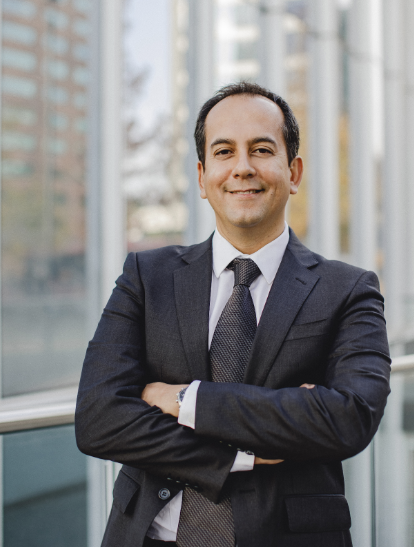
This is the eighth in the series of short statements from candidates in the coming CODATA Elections at the General Assembly to be held on 17-18 October 2025. Agnes Kiragga is a candidate for the CODATA Executive Committee as an Ordinary Member. She was nominated by Kenya.
My name is Dr. Agnes Kiragga, a biostatistician and Research Scientist privileged to lead the Data Science Program at the African Population and Health Research Center (APHRC) in Nairobi, Kenya. I lead several multi-country and multi-year projects in the Data Science Without Borders Project and the Implementation Network for Sharing Population Information from Research Entities (INSPIRE), and I collaborate with several partners across Africa and the Global North.  I serve on global committees, including the International Population Data Linkage, the Data Science and Methods Working group of the African Population  Cohorts Consortium (APCC), the Scientific Committee for the International Workshop for HIV Observational Databases (IWHOD), and others. Just this week, I received the Titan Award for Community Support – in recognition for my contribution to ensuring the sustainability of the OHDSI community, where I lead the African OHDSI Chapter. I am delighted to be nominated for the CODATA Executive Committee—a role through which I aspire to strengthen Africa’s presence, leadership, and contribution in the global data science movement.

Why Africa’s Data Science Voice Matters in CODATA

Data-driven science is at a crossroads. Africa—home to some of the most dynamic health, climate, demographic, and social datasets—is often underrepresented in global data governance and standard-setting for open science and the advancement of Artificial Intelligence. Yet, Africa’s unique scientific questions, linguistic and cultural diversity (over 2000 languages), and burgeoning innovation ecosystem offer valuable solutions to global challenges. As data-intensive research becomes foundational across disciplines, African voices and expertise must shape the standards, best practices, and ethics of the international data science community. 

Learning from and Enriching CODATA

CODATA is a long-term partner of African Institutions, including APHRC, and has played a transformative role in developing research data science curricula, advancing ethical and open science practices, and building learning communities—including direct support for early-career researchers in our local programs at APHRC and in Africa at large. I have seen firsthand the tremendous benefits that the CODATA network brings: collaborative training, exposure to cutting-edge research, and partnership opportunities that elevate both individual careers and institutional capacity. For Africa, these experiences yield critical lessons—especially the value of interdisciplinary peer networks, sustained mentorship, and robust infrastructures for responsible data stewardship. My presence in CODATA as an executive member  will enable more African researchers to access CODATA’s global networks, while embedding Africa’s lessons more deeply within CODATA’s agenda.

Artificial Intelligence: Africa at the Frontier and in need of Global partnerships

CODATA’s work in AI fairness, standardization, and ethics is highly relevant to Africa’s local realities. I believe our region’s perspective—from data scarcity and linguistic diversity to equity and privacy priorities—can inform global AI standards and practical implementation, drawing on learnings from the CODATA community.  

A Commitment to Representation, Inclusion, and Impact 

If elected to the CODATA Executive Committee, my priorities will include:

  • Championing African participation in global data infrastructure, from policy development to capacity-building, ensuring African data is visible and used to support research that is aligned with the global community. 
  • Strengthening reciprocal collaborations so that African innovation directly informs CODATA’s standards, aligned with the real-world challenges and aspirations of our communities.
  • Advocating for responsible, context-appropriate, and human-centered AI—facilitating knowledge sharing on best practices and ethical dilemmas unique to Africa.
  • Supporting early-career researchers, women, and underrepresented groups to thrive in international open science, building a pipeline of data leaders for tomorrow.

I am eager to work with the CODATA community to advance openness, justice, and excellence in data—ensuring Africa is not just at the table, but shaping the future.

Donald Hobern: Candidacy for CODATA Executive Committee Ordinary Member

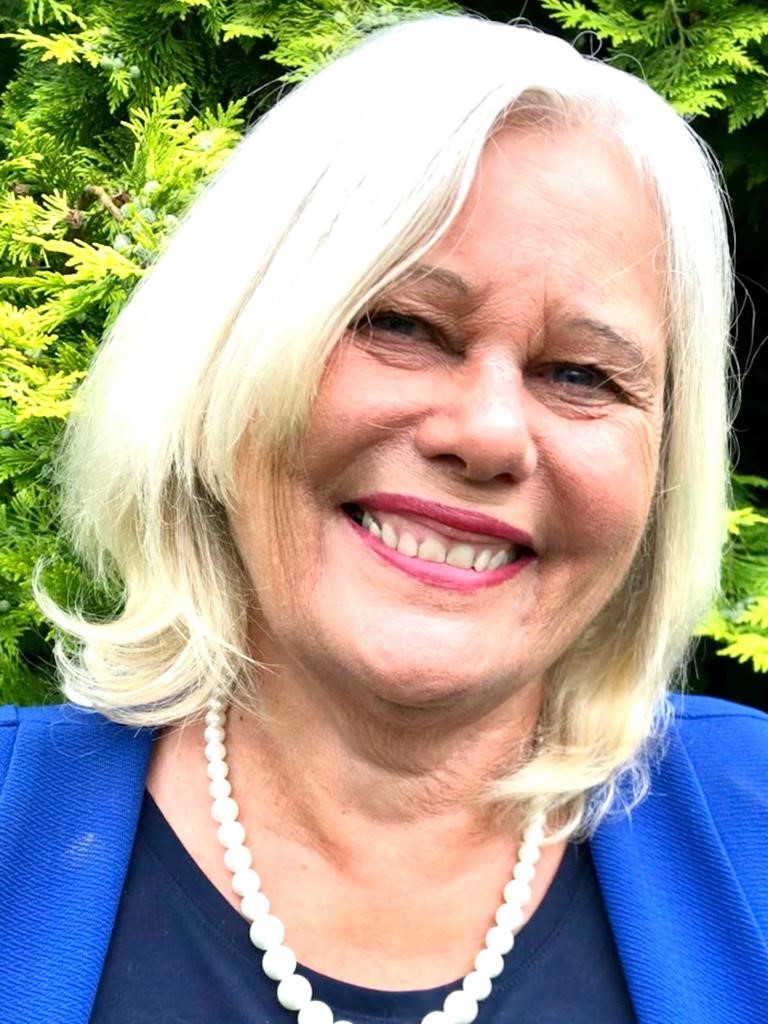
This is the seventh in the series of short statements from candidates in the coming CODATA Elections at the General Assembly to be held on 17-18 October 2025. Donald Hobern is a candidate for the CODATA Executive Committee as an Ordinary Member. He was nominated by Australia.

I hold a degree in Classics and worked for IBM for 16 years as a software engineer and then data architect. I have worked since 2002 in research data management, much of this in the field of biodiversity informatics, first as a Programme Officer for the Global Biodiversity Information Facility (GBIF) with responsibility for its data standards (including work on the earliest versions of Darwin Core) and data architecture, and subsequently as Director first for the Atlas of Living Australia and then for seven years for GBIF. From these roles, I learned the intertwined nature of technological and sociological aspects of research infrastructure and the importance and benefits of maximising international perspectives and collaboration. In association with these positions, and then following my return to Australia in 2019, I have also contributed to data standards, data management, infrastructure delivery and working groups for Biodiversity Information Standards (TDWG), Encyclopedia of Life, GEO BON, Catalogue of Life and the International Barcode of Life Consortium and provided inputs to many national and international biodiversity data activities.

I am currently employed as Data Management Director for the Australian Plant Phenomics Network (APPN), a government-funded network of nine research facilities supporting phenotyping studies for crops and other plants in both controlled and field environments. I lead a team working to development end-to-end FAIR data management for this network, using RO-Crate as a consistent packaging framework for all APPN-supported studies and enhancing the Mininum Information About a Plant Phenotyping Experiment (MIAPPE) model with SSN/SOSA and other shared ontologies in order to provide both human and machine interoperability. Our focus is both on pragmatic solutions that minimise complexity for plant scientists or facility technicians and on ensuring that all datasets contribute seamlessly to a richly connected linked-data graph for both domain and transdisciplinary uses. Data patterns from each domain can readily inform solutions in other fields. I believe that this APPN work aligns well with data management requirements in many other earth science and life science domains.

Robust data engineering and mainstreaming all aspects of the FAIR data principles are critical if we wish to maximise benefits from research activities and other data collection efforts. Even within a single research domain, low interoperability and reusability make meta-analysis or time-series studies extraordinarily expensive. Linking data across domains is essential if we are to provide the evidence base for modeling complex systems and addressing interconnected sustainability challenges, but every linkage multiplies the impact from poorly described and structured data. The recommendations from the WorldFAIR project and particularly the Cross-Domain Interoperability Framework (CDIF) are invaluable pointers for how to proceed. Simplifying publication and reuse of vocabularies (conceived as a vehicle for transfer and adoption of expert knowledge) is an important and achievable component that needs more attention.

The continued and growing global focus on artificial intelligence and machine learning solutions also underscores the importance of coordinated effort to describe and document data. Better standardisation and richer metadata will increase the volume of data suitable for any AI/ML applications and reduce the probability of serious misuse. Perhaps more importantly, the same improvements, particularly with appropriate attention to data provenance and transformations, are necessary to ensure that data collected by human and machine observations and data modeled from these using deterministic algorithms can be separated from synthetic data from other models and sources. Clarity on data sources is in effect a cybersecurity issue to prevent pollution of key information resources. 

I champion open sharing of data wherever feasible and collaborate to ensure that data from different instutions and different regions can readily be combined and reused to expand understanding across time and space and to enable evidence-based research and policy responses. 

CODATA has a central role to play in advocacy and developing best practice for modern data management and data-driven products. I would be excited to be able to contribute what I can to help achieve its mission.

Marc Nyssen: Candidacy for CODATA Executive Committee Ordinary Member

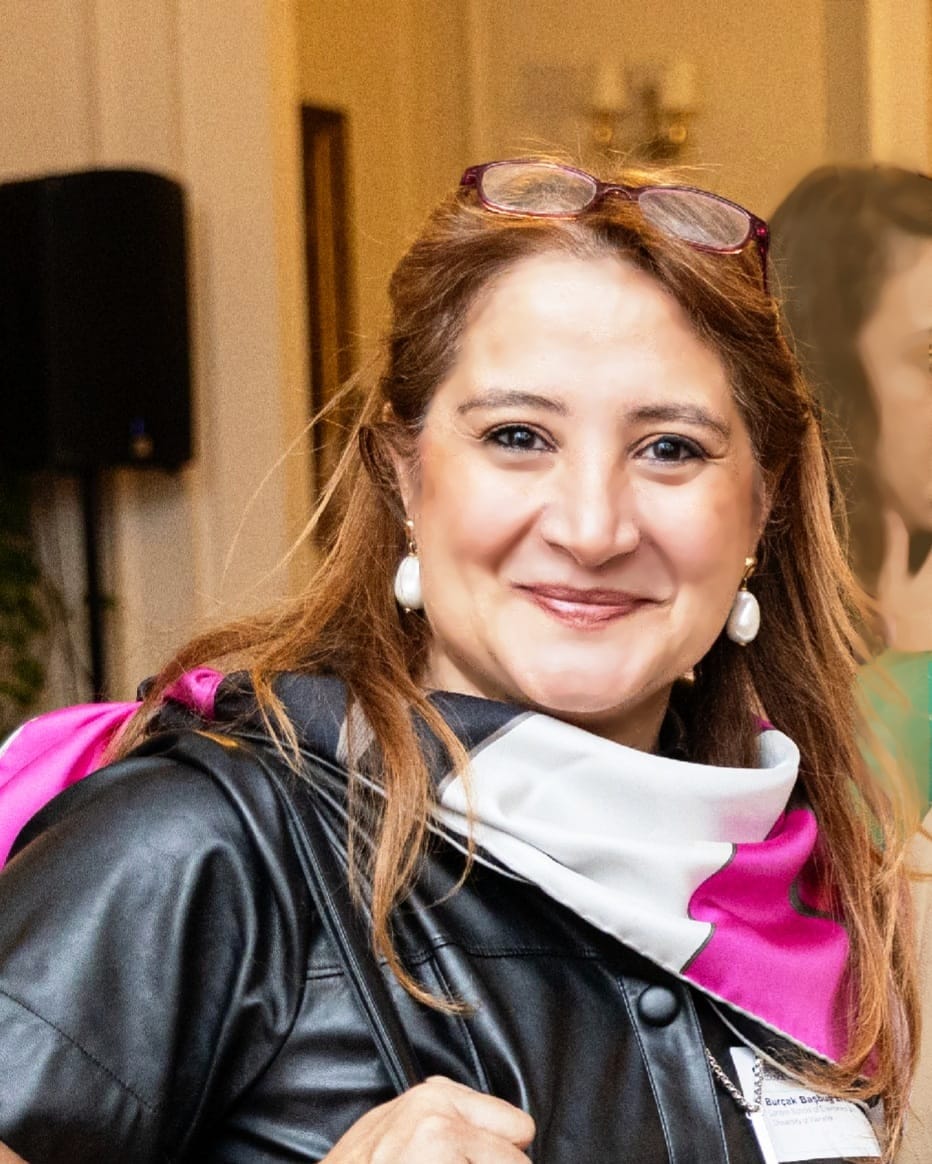
This is the sixth in the series of short statements from candidates in the coming CODATA Elections at the General Assembly to be held on 17-18 October 2025. Marc Nyssen is a candidate for the CODATA Executive Committee as an Ordinary Member. He was nominated by the International Union for Physical and Engineering Sciences in Medicine.

The importance of sharing high quality data among scientists cannot be underestimated, therefore the data committees such as CODATA, especially in the ISC context are instrumental to improve data sharing, primarily in the scientific community but with impact on the whole world.

In my field “medical informatics”, I see three major challenges regarding data that could be addressed:

  • the appropriate sharing of medical data, while protecting the privacy of the individual;
  • the rewarding of scientists who share quality and well documented data, resulting from their research;
  • the data quality, interoperability and ethical aspects surrounding “artificial intelligence” applications, especially in health care.

To illustrate the importance of the first of these challenges just think of the way tests of new medication are performed: it would not be possible to include millions of patients; therefore potential rare side-effects cannot be detected; well controlled follow-up via appropriately encoded medical records would potentially save lives and hardship when carried out, perhaps over many years. But with respect of the privacy of the participants and their right to retract their data.

In this field, collaboration with the WHO (where I am the “focal point” WHO liaison in the International Federation for medical and biological engineering) would be a very interesting factor, possibly leading to a breakthrough.

After first contacts established in 2025, it is our hope that WHO will adopt CODATA’s CDIF interoperability guidelines and methodology in their different publicly available repositories, facilitating multidisciplinary research, based on high quality data.                                                                                                                                                      

Scientists currently are judged mainly by the impact factors of their publications. Would it not be good to include an impact factor, related to the well documented quality data they provide to the scientific community, not only to thoroughly sustain their own research, but also enabling others to enrich the available datasets.

I will gladly contribute to these and other matters regarding FAIR and Open data and CODATA, with its projects, publications and working groups is the greatest place to realize that, as a volunteer surrounded by colleagues from different fields and continents, as well as the staff, driven by the same goals, especially in challenging times.

Kuo-Fong Ma: Candidacy for CODATA Executive Committee Ordinary Member

This is the fifth in the series of short statements from candidates in the coming CODATA Elections at the General Assembly to be held on 17-18 October 2025. Kuo-Fong Ma is a candidate for the CODATA Executive Committee as an Ordinary Member. She was nominated by the Academy of Sciences located in Taipei.

Affiliation:

  • Institution: Institute of Earth Sciences, Academia Sinica 
  • City: Taipei
  • Country: Taiwan

Nationality of Candidate:    TAIWAN

Scientific Disciplines:

  • Earthquake Hazard and Risk for Exposure
  • Earthquake Seismology
  • Earthquake Physics
  • Optical Fiber Seismology

I, Kuo-Fong Ma, am a member of the CODATA Taiwan Committee since 2024, President of Taiwan division of IUGG, and Chief Scientist of Taiwan Earthquake Research Center. While I had not previously heavily held a formal role within CODATA, my research leadership and international collaborations have consistently aligned with CODATA’s core mission of advancing data for science and sustainable development. I have been actively involved in large-scale, data-intensive geoscience initiatives, such as national seismic hazard map, fiber-optic sensing, that emphasize open data sharing, multi-agency data integration, and reproducible science.

My focus on the study of natural disasters, especially in earthquake science, hazard assessment, and data-driven geophysical research. We consistently championed open science, interdisciplinary collaboration, and the integration of complex data systems for societal resilience. As Distinguished Research Fellow at Academia Sinica and Director of the E-DREaM Center at National Central University, I lead several national and international initiatives focused on real-time seismic monitoring, fiber-optic sensing, and multi-hazard risk analysis. My leadership in large-scale data integration is evident in projects like the Taiwan Earthquake Model (TEM PSHA2020), the Taiwan MiDAS project for borehole DAS monitoring, and collaborative efforts with other global institutes.

My experience with scientific governance includes board-level and advisory roles with the Seismological Society of America, the International Continental Scientific Drilling Program (ICDP), and the Executive Committee of AOGS. I am also an elected AGU Fellow and a recipient of the AOGS Axford Medal.

CODATA’s mission to advance data science for the benefit of science and society deeply aligns with my commitment to fostering FAIR (Findable, Accessible, Interoperable, and Reusable) data principles in earth and environmental sciences. I have broad experience in managing multi-agency data platforms, promoting transdisciplinary knowledge exchange, and advocating for open, equitable access to scientific infrastructure across regions.

With a global perspective rooted in regional action, I could contribute to CODATA’s strategic vision, particularly in shaping policy-relevant science, advancing open data initiatives in the Global South and Asia-Pacific, and reinforcing the role of data in climate resilience and disaster risk reduction.

Jeremy G. Frey : Candidacy for CODATA Executive Committee Ordinary Member

This is the fourth in the series of short statements from candidates in the coming CODATA Elections at the General Assembly to be held on 17-18 October 2025. Jeremy Frey is a candidate for the CODATA Executive Committee as an Ordinary Member. He was nominated by the United Kingdom.

Jeremy G. Frey
(MA, DPhil, FRSC, CChem, M. Inst. P., FRSS)
School of Chemistry (and Chemical Engineering)
University of Southampton, University Road, SouthamptonSO17 1BJ, UK. 

Candidate for CODATA Executive Committee

I am very pleased to be nominated by the UK delegation for the CODATA Executive Committee.  If elected, I will work with the Executive Committee to build on my previous CODATA involvement and bring this together with my links to the UK and international data communities to help facilitate CODATA’s increased engagement with more disciplines and stays at the heart of the digital and AI revolution in science and society.

LinkedIn https://www.linkedin.com/in/jeremygfrey/

University of Southampton https://www.southampton.ac.uk/people/5wxwdv/professor-jeremy-frey

Google Scholar https://scholar.google.com/citations?user=cIXkTUoAAAAJ&hl=en

My Current & Previous involvement with CODATA

I have been the IUPAC (International Union of Pure and Applied Chemistry) delegate to the CODATA GA for several years.  Just over 4 years ago the Digital Representation of Units of Measure (DRUM) Task Group was proposed, and I was a founding member and now chair of the TG.  My work on the IUPAC Green Book (Quantities, Units, and Symbols in Physical Chemistry) since 1999, brought me into contact with CODATA, from the fundamental constants though to the wider issues of communicating data.

Biography

I describe myself as a physical and digital chemist.  I obtained BA and DPhil in Chemistry from University of Oxford, followed by a NATO/SERC fellowship at the Lawrence Berkeley Laboratory (University of California) working with Professor Yuan T. Lee.  I was appointed to a lectureship at the University of Southampton in 1984 where I am now Professor of Physical Chemistry in the School of Chemistry and Chemical Engineering.  I was head of the Computational Systems Section from 2014 to 2024 and head of Physical Chemistry Teaching from 2012 to 2024.

In the 2000’s I was involved in the UK e-Science (CombeChem project) and Digital Economy programmes (IT as a Utility and Internt of Food Things Networks) and more recently as PI of the AI for Scientific Discovery Network (www.ai4science.network and see https://www.youtube.com/c/AI4ScientificDiscovery).   Currently I am a co-I on the Physical Science Data Infrastructure project (www.psdi.ac.uk) and Physicals Science data Science Service (www.psds.ac.uk) and AIchemy AI Hub (https://aichemy.ac.uk/).  

From 2020 – 2022 I was a Turing Fellow at the UK Alan Turing Institute.  I recently started a new phase of our laboratory-based laser-driven water-window x-ray microscopy project with the Rosalind Franklin Institute (www.rfi.ac.uk).

 I have been a very active member of the Royal Society of Chemistry (RSC) throughout the whole of my chemistry career, and I am now a Trustee of the RSC as well as involved in several RSC committees. 

In IUPAC I am vice president of the IUPAC Div 1, (and I will be President from the start of 2026), a member of Committee on Publications and Data Standards (CPCDS), the Interdivisional Committee and Terminology, Nomenclature and Standards (ICTNS) and as mentioned above the Green Book Project chair (and Commission I.1). I am a member of the American Chemical Society, the Institute of Physics and a Fellow of the Royal Statistical Society

I believe strongly in interdisciplinary research and trans-sectorial interactions, working with industry and governments as well as international academic and third sectors organisations. 

The UK sustainability goals are an useful set of guidelines for all our research aims and for example I am a co-I on the DICE Network on Digital and the Circular Economy (https://dice-networkplus.org) and we recently completed a spin-out from the University of Southampton, to form Data Revival (https://www.linkedin.com/company/88907006/admin/dashboard/ ) to help companies make the best use of their data resources to meet the demands of the digital age.

Online Links

Recent highlight was being invited to give a Plenary talk at the American Chemical Society Fall Meeting 2023 – see recording https://www.acs.org/meetings/acs-meetings/past-meetings/opening-session/harnessing-the-power-of-data.html – with an audience ~ 1000 people.  

Podcast recorded by Jisc – “I wanted to thank you again for being a guest on the research talk podcast, your episode is still by far our most popular with over 3,600 listens! From Jasmin Standish, https://beta.jisc.ac.uk/podcasts/research-talk-digital-research-infrastructure?utm_medium=jeremy-frey&utm_source=guest&utm_campaign=research-talk 

Recent Major Grants

Year  Awarding Agency Project
2025 EPSRC Co-I for the DICE Network on Circular Economy (£2M)
2024 EPSRC Pi X-ray microscope (with the Rosalind Franklin Institute and Central Laser Facility) (£4M)
2024 UKRI Co-I on AlChemy AI Hub (total grant £6M)
2024 EPRSC / DRI Co-I Physical Sciences Data Infrastructure Phase 2 (£2M)
2023 EPSRC Co-I Physical Sciences Data Science Service Extension (£1M)
2023 EPSRC  Co-PI AI for NetZero, £250 ([art of larger £1M grant)
2023 EPSRC Co-Green Solvents (£1.6M)
2022 EPSRC / DRI Co-I Physical Sciences Data Infrastructure Phase 1b £1.5M
2021 EPSRC / DRI Co-I Physical Sciences Data Infrastructure Phase 1 £1.5M

EPSRC – The Engineering and Physical Sciences Research Council part of UK Research & Innovation(UKRI)

DRI – Digital Research Infrastructure programme

David Castle: Candidacy for CODATA Executive Committee Ordinary Member

This is the third in the series of short statements from candidates in the coming CODATA Elections at the General Assembly to be held on 17-18 October 2025. David Castle is a candidate for the CODATA Executive Committee as an Ordinary Member. He was nominated by the World Data System Scientific Committee.

I am a Professor in the School of Public Administration at the University of Victoria, Canada. My area of expertise is in science, technology and innovation policy, and I have written about national and sub-national systems of research and innovation, as well as more specialized works on life science innovation. My current research program, called BIOSCAN, is a biodiversity genomics project that is part of the International Barcode of Life Consortium (iBOL). We work with open data supported by the Barcode of Life Data System (BOLD) to identify species, characterize their interactions, and study ecosystem dynamics. 

For the last several years, I have spent most of my time working for the Chief Science Advisor to the Prime Minister of Canada. My portfolio includes open science, data governance, research security and biodiversity. I was part of the Canadian negotiating team at COP15 and was focused on access and benefits sharing related to digital sequence information (DSI) on genetic resources. I was on the Canadian delegation negotiating position on DSI for COP16 in Cali, Columbia, from which Decision 16.2 on DSI arose.

In addition academic and government work, I have contributed to OECD expert advisory groups on digital skills and mobilizing science in times of crises. I was a member of the expert advisory group for the Public Health Agency of Canada’s Pan-Canadian Health Data Strategy through which we created a national Health Data Charter embedded in our third report. I chair the Scientific Advisory Committee of the Council of Canadian Academies, and I recently joined the AI and Data Governance Standardization Collaborative of the Standards Council of Canada.

With this background one can probably surmise why I would be interested in a role on the Executive Comittee with CODATA. There is, however, one significant additional detail that explains my motivation for accepting the nomination for the position. I have been a member of, and now chair, the Scientific Committee of the World Data System. Last year we released our second Action Plan 2025-2027, which generated better alignment with the goals of the International Science Council, and established four objectives for the WDS:

  • Provide services and support to existing and new members
  • Develop value narratives for WDS members
  • Provide global leadership and agenda setting
  • Enhance access, quality and accessibility of data worldwide

These objectives align with priorities and activities CODATA, and it is for this reason that I accepted the nomination. We are often asked “why does the International Science Council need two affiliated data bodies?” The answer is as follows: there is more than enough work on data to keep both CODATA and WDS fully occupied; the two organizations are differentially specialized; and coordinating the activities of CODATA and WDS better supports the ISC in its mission. Coordinating, however, requires interaction and engagement, which is what I hope my participation on the Executive Committee will foster between the two organizations.

Daphne Raban: Candidacy for CODATA Executive Committee Ordinary Member

This is the second in the series of short statements from candidates in the coming CODATA Elections at the General Assembly to be held on 17-18 October 2025. Daphne Raban is a candidate for the CODATA Executive Committee as an Ordinary Member. She was nominated by Israel.

My interest in data and information spans over three decades, beginning with a professional career in 1992 and continuing through my academic career since 2000. Today, I serve as a full professor at the University of Haifa’s School of Business Administration. My research has ranged from early studies on the challenges of analyzing web-based data, through investigations of preferential attachment and information diffusion, to e-commerce behavior and the economics of information. More recently, I co-authored theoretical and experimental work on information markets.

Beyond research, I have been deeply involved in data-related institutional leadership. For the past five years, I served as Academic Head of the University of Haifa’s central library—the leading academic library in Israel—where I witnessed firsthand how libraries evolve from access providers into producers and preservers of digital data. I was also honored to serve in a committee of the National Academy of Sciences tasked with introducing data science education across all university disciplines, a recommendation that has since been adopted across Israeli universities.

As chair of the Israeli CODATA National Committee (NC), I have worked with colleagues to draft a mission statement, carefully aligned with CODATA’s strategic priorities, that emphasizes data management and literacy, research collaborations, and the recognition of national policy as a cornerstone for progress.

Since then, the Israeli NC has taken part in several initiatives: reviewing options for institutional data repositories, contributing to a national request to join DARIAH, leading a major preservation project for historical testimony data, and engaging with CODATA activities such as the IDPC and EDEN survey. I also make sure to circulate CODATA communications to scholars in Israel, helping to strengthen awareness and participation in this international community. During IDW, I will present two papers at SciDataCon 2025, participate in a panel discussion and attend the CODATA General Assembly.

My engagement with CODATA over the past three years, and my leadership of the Israeli NC, have been a source of valuable learning. Serving on the Executive Committee would allow me to deepen this mutual exchange: bringing CODATA’s global expertise into Israel, while also sharing the Israeli experience in building data stewardship, institutional repositories, and open science policies.

I see this candidacy as a chance to contribute, but also to learn. If elected, I will work to strengthen CODATA’s visibility, foster practical applications of its knowledge, and continue advancing open science, data stewardship, and data-driven research.

In summary, my main strengths as a candidate for the CODATA Executive Committee:

  • Proven leadership: Chair of the Israeli CODATA National Committee, initiating its mission statement and aligning it with CODATA’s strategic priorities.
  • Academic excellence: Full professor at the University of Haifa with over three decades of professional and academic engagement in data and information.
  • Research impact: Contributions to web data analysis, network science, information diffusion, e-commerce behavior, and the economics of information.
  • Institutional expertise: Five years as Academic Head of Israel’s leading academic library, with experience in digital preservation and innovative data services.
  • National influence in education: Member of a National Academy of Sciences committee that shaped nationwide data science education policies.
  • International engagement: Active in CODATA initiatives (IDPC, EDEN survey), frequent dissemination of CODATA knowledge in Israel, and presenter at SciDataCon 2025.
  • Commitment to open science: Strong advocate for data stewardship, data-driven research, and making CODATA knowledge accessible to a broad audience.
  • Collaborative mindset: View Executive Committee role as a mutual learning opportunity—bringing CODATA expertise into Israel and contributing experience to the global community.

Narinder Kumar Mehra: Candidacy for CODATA Executive Committee Ordinary Member

This is the first in the series of short statements from candidates in the coming CODATA Elections at the General Assembly to be held on 17-18 October 2025. Narinder Kumar Mehra is a candidate for the CODATA Executive Committee as an Ordinary Member. He was nominated by the Indian National Science Academy.

I am a Clinical Immunologist with special focus on Transplant Immunology for achieving successful graft outcome following solid organ and hematopoietic stem cell transplantation. A critical requirement here is the selection of HLA gene matched donor-recipient pairs, for which it is imperative to develop extensive international collaboration and exchange population based data. This has kept me engaged with the Science of Data for over four decades, because without data sharing, it is not possible to save lives. My other area of clinical interest has been the discovery of immune response based biomarkers for autoimmune and infectious diseases, an area again requiring data driven decision making.  

My scientific career started in the early 1970s in HLA genetics when this subject was virtually non-existent and its impact in Medicine and Biology was beginning to be understood worldwide. With initial training in European centres, I was able to successfully establish  Transplant Immunology and clinical immunogenetics as an independent specialty for the first time in India at the All-India Institute of Medical Sciences, New Delhi. This was an arduous task and I often had to work under extreme difficult conditions with very little funding and mentoring support. 

Extensive international exposure has helped me develop deep understanding of the global trends in science and technology. I served as councilor for the International Union of Immunological Societies for four terms and as co-chair of their committee on Gender equality and career development and spent two years at the world-famous Fred Hutchinson Cancer Research centre (Seattle, USA). I am a Fellow of all Science and Medical Academies in India, have over 100 scientific awards and academic honors including the most coveted S.S. Bhatnagar prize of the CSIR (India). The French Government conferred on me the Chevalier of the National Order of Merit and the Iranian Research Organization on Science and Technology selected me for their prestigious Khwarizmi International Award 2004’.

I am a recipient of prominent international recognitions namely, Member Honoris Causa of the Hungarian Academy of Sciences, Fellow of the Academy of Sciences of South Africa (F-ASSAf), Fellow of The World Academy of Sciences (FTWAS), Honorary Fellow of the Royal College of Physicians (FRCP) of UK, Fellow of the International Science Council (FISC) and Fellow of the International CORE Academy of Sciences and Humanities (FCAcad). These helped me nurture skill in promoting collaborative networks and develop research programs of public importance.

I have represented India in the BRICS Science Forums (2022 theme: Big Data sharing), meetings of the ISC and of Inter-academy partnership (IAP). During the G20 Presidency of India (2023), I coordinated the Science 20 activities with focus on clean energy for sustenance, universal holistic health and Science for Society or Citizen Science. Currently, I am ‘Treasurer’ of the Association of Academies and Societies of Science in Asia (AASSA), which is the Asian component of IAP.

Since assuming charge as chair of the National committee on Co-data in India, my responsibilities and involvement in Data Science have considerably increased. This is because the potential of new data technologies like artificial intelligence, machine learning, remote sensing and geospatial analysis to improve critical humanitarian and development work is immense. We organized several activities. 

In 2014, we organized the General Assembly of CODATA in New Delhi, followed by the Data Science protocols in 2015. We also organized ‘monthly talks on Data Science to create awareness. 

In Sep 2024, we organized a regional workshop in New Delhi, supported by IAP and AASSA to discuss Science Policy Futures of Asia

In June 2025, we organized the India ‘Research AI Summit: bridging innovation and Open Science bringing together national data custodians, funders and global AI experts including Francis Crawley. During this meeting, the Indian Research Assessment Forum (IRAF) was formally launched. 

In August 2025, we organized the National Conclave on Climate Education and Data Custodianship. Besides lectures by Indian experts, lead lecture was delivered by Mathew Pye, Founder Climate Academy, Belgium. A large number of School students of class 9 to 12 attended the interactive event.  

It is important for our Gen Next to be data-literate, and rely on data-driven decision making. India has allocated huge resources to produce an indigenous Large Language Model (LLM) and domain-specific foundational models in critical sectors. This is the opportune time for South Asia to have  a strong representation in CODATA and align global synergies in data science with regional expectations. My involvement in various scientific and academic committees, extensive network of international collaborations, and commitment to fostering scientific excellence could greatly benefit the CODATA Executive Committee to enhance its impact to connect data and scientific community, and address global challenges.

September 2025: Publications in the Data Science Journal

Title: Enhancing Multiscale Simulation Data Management with Domain Ontologies and an ELN: Addressing Challenges and Implementing Strategies
Author: Hafiz Muhammad Noman, Michael Selzer
URL: http://doi.org/10.5334/dsj-2025-028
Title: Robust Machine Learning Algorithmic Rules for Detecting Air Pollution in the Lower Parts of the Atmosphere
Author: Kassim Mwitondi, Hugo Wai Leung Mak
URL: http://doi.org/10.5334/dsj-2025-027
Title: Automating Inconsistency Discover and Historical Investigation of External Influences on Livestock Population Data
Author: Ian McKechnie, Kassy Raymond, Deborah Stacey, Theresa Bernardo
URL: http://doi.org/10.5334/dsj-2025-026
Title: Machine-Actionability and Evolvability in Data Stewardship Planning: Framework, Implementation, and Case Study
Author: Vojtěch Knaisl, Robert Pergl
URL: http://doi.org/10.5334/dsj-2025-025
Title: Establishing a Data Culture Using Frameworks to Navigate the Waves of Marine Data
Author: Sarah Flynn, Tara Keena, Yvonne Bogan, Laura Brophy, David Currie, Adam Leadbetter, Martina Maloney, Keith Manson, Colin Melville, Eoin O’Grady, Rob Thomas, Brendan Whittle, Andrew Conway
URL: http://doi.org/10.5334/dsj-2025-024
Title: Automating Ontology Mapping in IT Service Management: A DOLCE and ITSMO Integration
Author: Andrey Khalov, Olga Ataeva
URL: http://doi.org/10.5334/dsj-2025-023