This blog post was inspired by the opportunity to join the Urban Risk and Climate Risk Data Lab event hosted by the World Bank Group in Paris, 21st to 22nd May 2026.
By Burçak Başbuğ, Shaily Gandhi, Matti Heikkurinen, and Slava Tykhonov.
(c) Matti Heikkurinen CC-BY 4.0
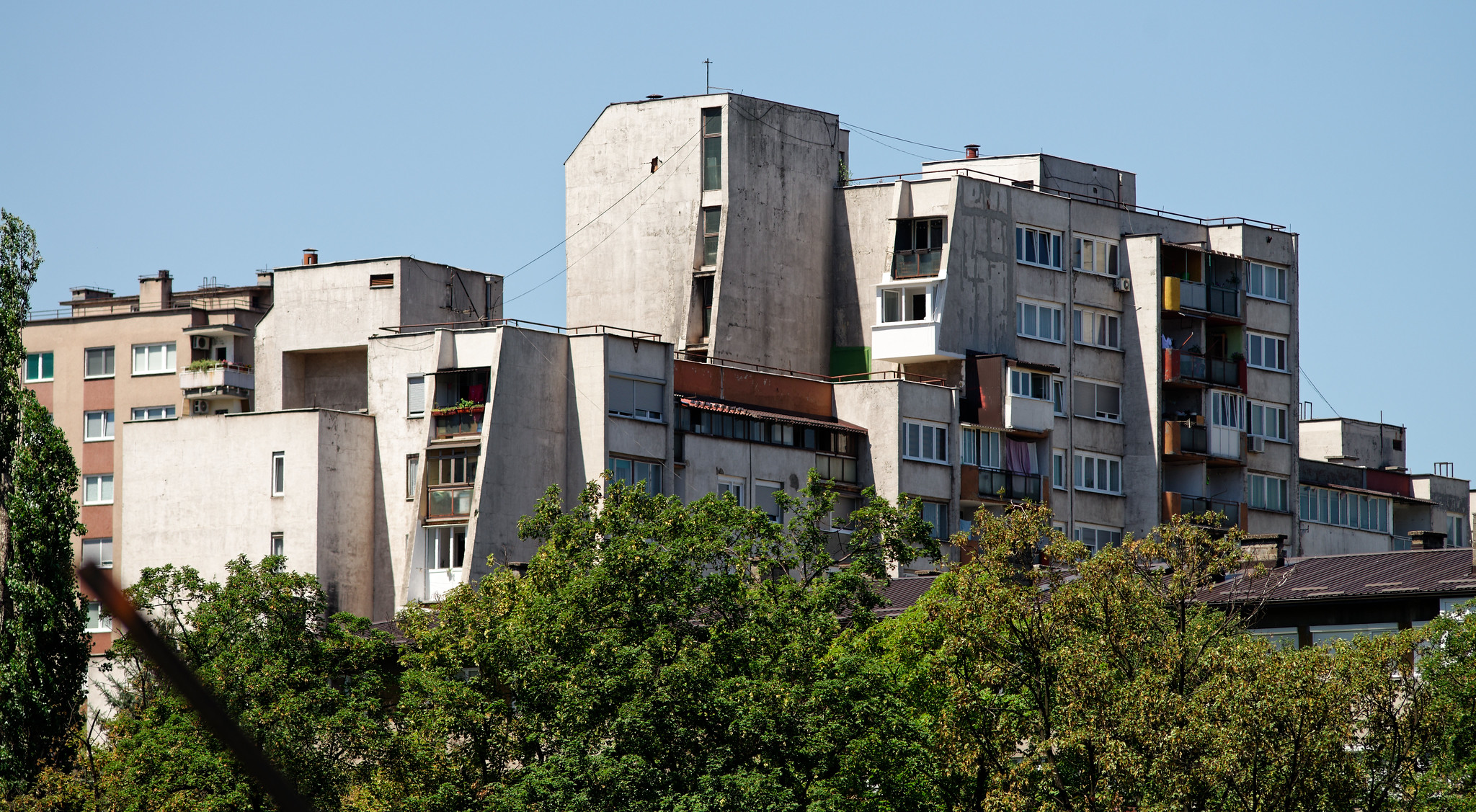
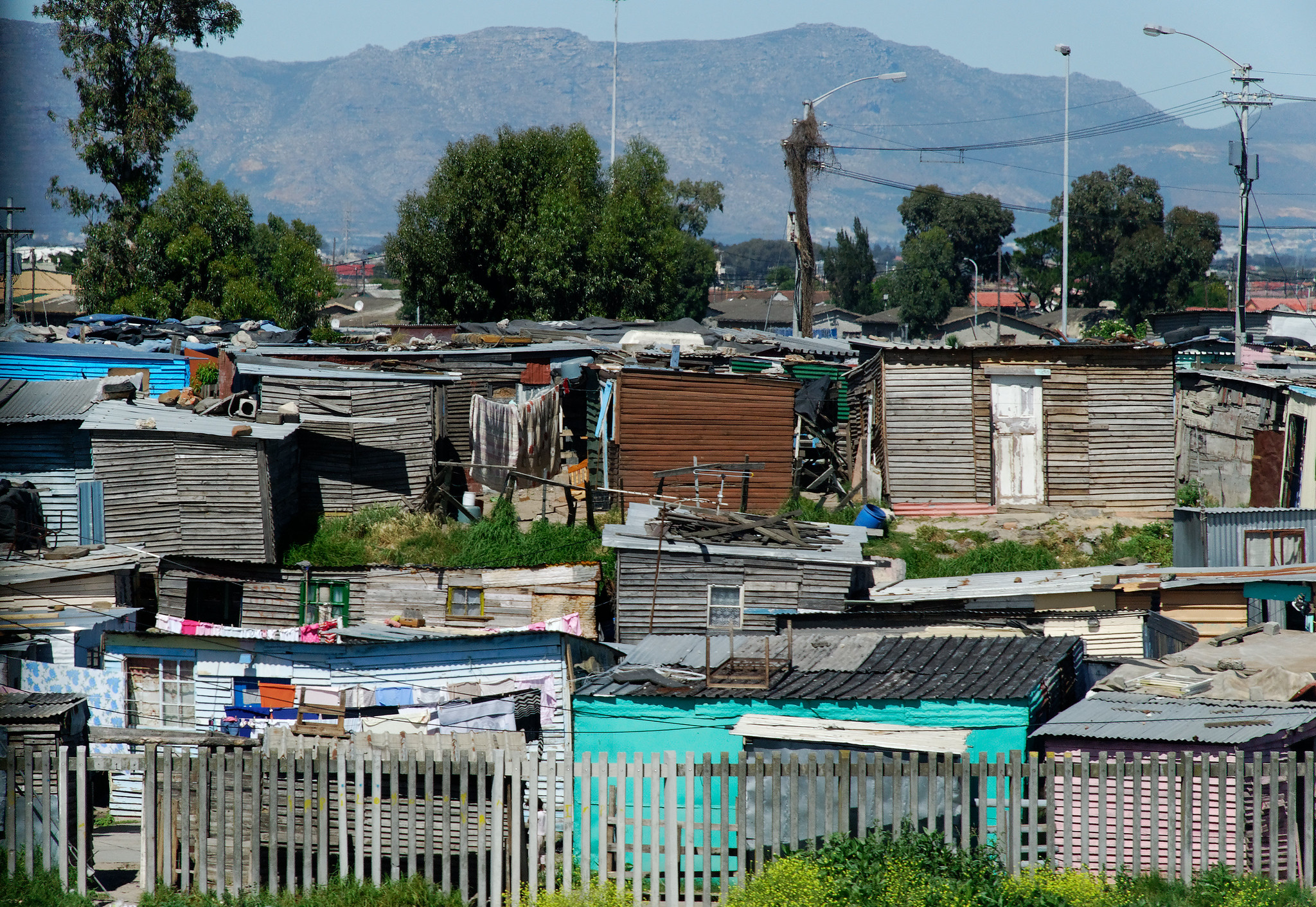
For many people, the first associations with the word “Urban” are perhaps related to progress; skyscrapers surrounded by pristine parks, new opportunities, human connections and delightful cultural exchanges. However, this vision bringing people together also drives unplanned urban sprawl, as well as challenges that infrastructures and services struggle to cope with. Escape into population centres may also not be voluntary. For example, refugee camps often turn into permanent, growing settlements.
Independent of the drivers, concentration of population into urban centres also concentrates risks. The details may vary, but the number of individuals and the value of assets exposed to hazard events grows, while risk reduction activities and disaster response planning may face additional constraints. Unfortunately, the economic and social dynamics provide incentives to set these risks aside. The same pattern can often be observed in the approach to climate change, pandemic preparedness or maintenance of critical infrastructure. The combination of rapid urbanisation and climate change is an example of a situation where the growing, cumulative hazards may also be more than the sum of their parts.
At the same time, we have unprecedented access to data, thanks to initiatives such as Hyogo and Sendai frameworks and other mechanisms to track the impact of hazard events. We also have IT infrastructure to process these datasets efficiently and put them into context of climate and weather data. However, we need to use these resources better: at the moment, data is often siloed, inaccessible or incompatible for efficient risk assessment and response.
Leaving the $2.3 trillion on the table
(c) Matti Heikkurinen CC-BY 4.0
Hazard and exposure profiles have shifted dramatically: During the last 65 years, the proportion of urban population has grown from 34% to 58%. Despite this, most of the disaster losses would be avoidable. The resources that could be refocused into more productive uses are considerable: according to a recent UNDRR report, direct disaster losses average 180-200 b$ annually. If you take indirect impact and ecosystem damage into account, the costs to the global economy grows to 2.3 trillion $. This sum, divided by the estimated world population (8.23 billion, according to the United Nations Population Fund), corresponds to almost 250$ per person per year. A sum that is noticeable in the rich industrialised countries — and existential, for populations living below the 3$/day poverty threshold.
Quantifying the scale of the problem is an important first step. However, as noted by Jenty Kirsch-Wood (UNDRR) during the workshop:
“We can’t just keep re-defining the problem in a better way”
Data needs to drive action. The workshop presentations demonstrated several possible solutions that aimed at going beyond awareness raising. From using satellite data to anticipate the development of urban sprawl and to support planning to targeted clean-up activities to maintain drainage capacity of drainage systems to prevent flooding. The workshop provided an opportunity to share steps that may seem little in isolation but — put together — will have a growing impact.
Data, data, data every where (The Rime of the Ancient FAIRiner)
The hands-on part of the workshop acted as a reality check – and a call to action. Attempting to find relevant datasets and adding them to the GFDRR Urban Data Tracker drove home the degree the approach to data is fragmented — and how difficult it is to find datasets that are of suitable granularity and format to address urban challenges. The search provided a tangible reminder of the huge amount of data in various forms on the Internet, but — like seawater – most of it requires processing before being ready for consumption.
This “desalination process” is often made more difficult by choices, undoubtedly made under time or budget pressures. For example: lack of persistent identifiers (leading to “Link rot”), publishing datasets without metadata describing the syntax and semantics of the data, making only aggregate data (e.g. national level instead of commune or settlement) data available or referencable. Adding language barriers and careless use of AI can lead to drawing very plausible and completely erroneous conclusions from the data.
Discussions triggered by the exercise highlighted not only the economic and human costs of fragmented systems, but also the urgent need for shared standards, collaborative workflows, and FAIR data practices. The workshop initiated conversations reflecting that resilience is no longer only about surviving crises, it is about building connected data ecosystems that enable faster, smarter, and more equitable decisions before, during, and after disasters. As a positive sign, the examples and demonstrators illustrated promising examples of integrated solutions that were nevertheless limited in their scope.
CODATA: connecting FAIR islands
We could consider these promising demonstrators and pilots as “Findable, Accessible, Interoperable and Reusable (FAIR) islands”. These systems provide clear value for a smaller subgroups of stakeholders, have trained userbases and are well-understood by the funding agencies leading to the sustainability of these solutions.
CODATA is interested in contributing, through several channels, to improve the interconnectedness of this “archipelago”. These channels include policies, processes and tools that can improve the FAIR aspects of the solutions and improve their interoperability and reusability. The approach in all cases needs to be minimally invasive and based on incremental, iterative improvements.
The primary policy channel is developed by the Data Policy for Times of Crisis Facilitated by Open Science (DPTC) Toolkit. The resources developed by the group — including a factsheet, a guidance document, and a checklist — were introduced on 4 June 2025 into the UNESCO Open Science Toolkit. These resources are designed to strengthen cross-border crisis data management and to support governments, UN agencies, research institutions, civil protection authorities, and other stakeholders in preparing for, responding to, and recovering from crises.
Legal and organisational interoperability (LOI) has been identified recently as a topic requiring focused attention. The goal is to ensure that the FAIR data ecosystem complies with the relevant regulations, supports coherent data-driven activities across organisational boundaries and is supported by lifecycle management approaches that ensure that the data solutions provide predictable service also years into the future.
Both of the policies and LOI rely on tools and semantic frameworks ensuring semantic and technical interoperability of data. The primary solutions include the Cross-Domain Interoperability Framework (CDIF), which provides a practical and developer-friendly guide to implementing the FAIR principles, using existing domain neutral standards, in a way that enhances Interoperability and Reusability and conforms to current good web and data practices. CDIF can be combined with human-controlled AI solutions that reduce the efforts needed to make datasets ready for integration. Importantly, CDIF also provides frameworks making it possible to technically enforce agreements between organisations and individuals.
These solutions are being developed and implemented by CODATA and partners in the Climate-Adapt4EOSC and CDIF4EOSC projects. We are very keen to explore collaboration with the participants and organisers of the Urban Risk and Climate Risk Data Lab.
Thank you and see you soon (hopefully)
We see a crucial role of events like Urban & Climate Risk Data Lab that allow sharing of best practices, tools and experiences. They will speed up harnessing data resources to meet the evolving and growing challenges in the Urban and Climate risk landscape. We would thus like to express our gratitude to the organisers:
- Global Facility for Disaster Reduction and Recovery (GFDRR)
- Gates Foundation
- Swiss Re Foundation
- City Resilience Program
- World Bank Group
And hope to be able to join the follow-up events and activities!
About the authors
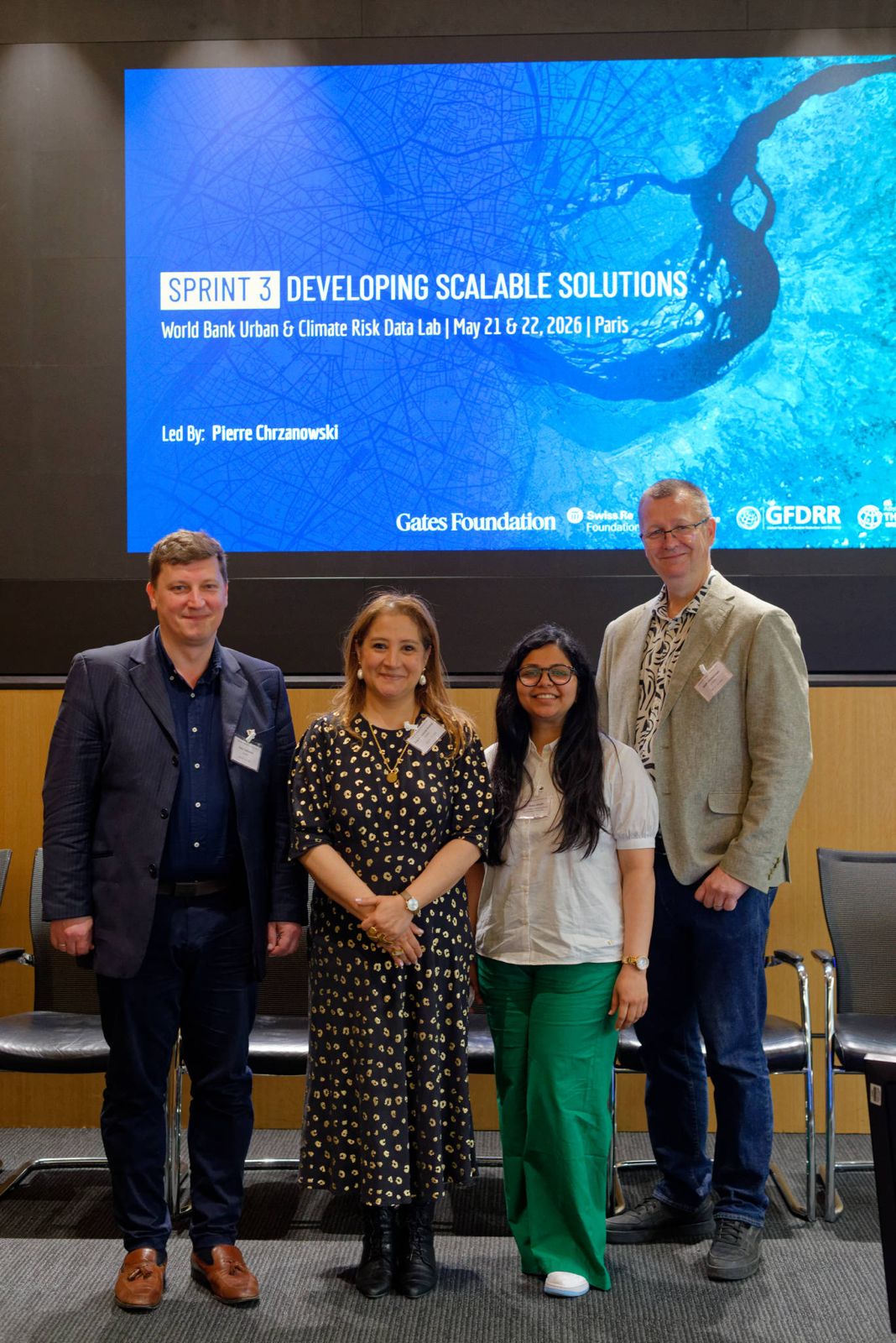
CODATA team at the Urban Risk and Climate Risk Data Lab workshop. From left to right, Slava Tykhonov, Burçak Başbuğ, Shaily Gandhi, and Matti Heikkurinen.
Burçak Başbuğ is Professor of Statistics and Disaster Science at the Middle East Technical University in Ankara; she is co-chair of the CODATA International Data Policy Committee and co-chair of the UNESCO-CODATA Working Group on Data Policy in Times of Crisis.
Shaily Gandhi is Senior PostDoc at the Geo-social AI Research Group, IT:U, Linz; she is an ISC Fellow and a former lead of the CODATA Connect Early Career Network.
Matti Heikkurinen is Project Portfolio Manager at CODATA leading work on Legal and Organisational Interoperability in numerous projects.
Slava Tykhonov is Head of AI and Interoperability at CODATA and a Dataverse ambassador.

