Monthly Archives: February 2026

Beyond Articles: Rethinking Diamond Open Access for a Data-Driven Research Future

What would it take for Diamond OA to evolve into a holistic, equitable, and data-rich scholarly ecosystem — one that meaningfully includes early-career researchers?

More specifically, what kinds of alignment are required between policy, funding, research assessment, and infrastructure for Diamond OA to become a genuinely equitable and data-rich ecosystem that early-career researchers can meaningfully participate in?

These questions framed the CODATA Connect–convened session, “Beyond Articles: Rethinking Diamond Open Access for a Data-Driven Research Future for Early Career Researchers,” at the 3rd Global Summit on Diamond Open Access. Moderated and chaired by CODATA Connect co-chair, Pragya Chaube, the session began with a shared recognition that while removing Article Processing Charges (APCs) is a necessary step, it is only one part of a much larger system. Without parallel shifts in how research is evaluated, funded, and supported through infrastructure, Diamond Open Access risks remain structurally marginal.
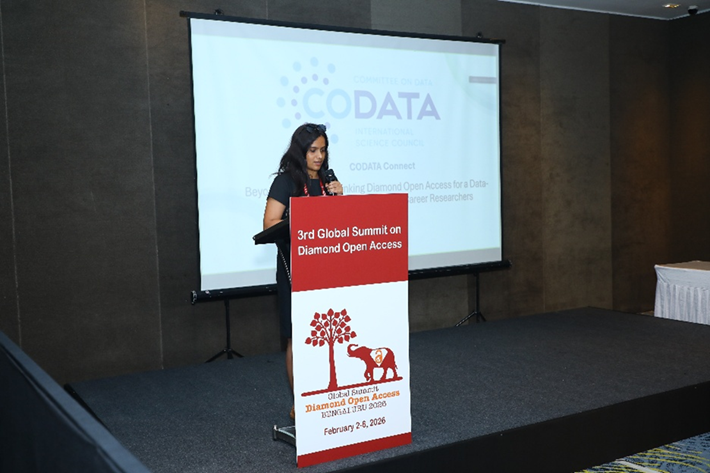
The first hour of the session unpacked these interdependencies by examining how publishing models are shaped by research assessment, infrastructure availability, and governance capacity.

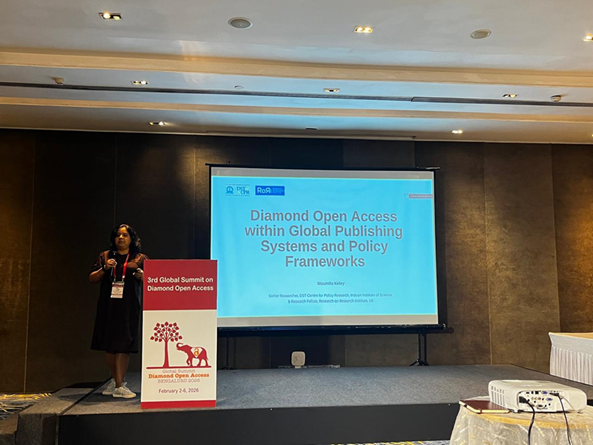
Moumita Koley situated Diamond Open Access within the political economy of scholarly publishing, emphasizing that publishing behaviour is ultimately driven by research assessment systems. These systems continue to reward publication in high-impact, commercially indexed journals, shaping both what research is valued and where it is disseminated. In this context, Diamond OA journals struggle for legitimacy not because they lack quality, but because they are poorly integrated into prestige-based evaluation frameworks.
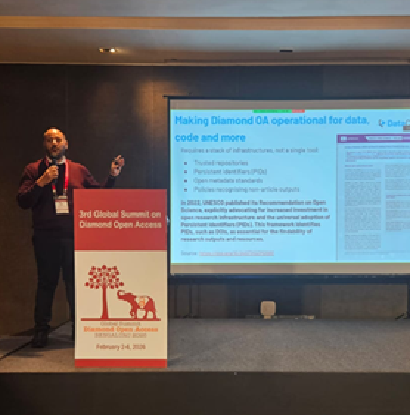
Mohamad Mostafa of DataCite extended this argument by focusing on infrastructure. Research outputs today extend well beyond journal articles to include datasets, software, code, preprints, and reports. Yet many of these outputs remain invisible due to gaps in repositories, metadata practices, and persistent identifier adoption, particularly in emerging research regions. Without sustained public investment in interoperable open research infrastructure, Diamond OA cannot fully support these outputs, reinforcing global asymmetries in visibility rather than reducing them.


From an early-career researcher perspective, Cyrus Walther highlighted how these structural gaps translate into lived experience. Diamond OA increases reliance on community governance through peer review, editorial work, data curation, and reproducibility checks. Much of this labour already falls disproportionately on early-career researchers and remains unrecognized within assessment systems, risking an expansion of invisible work.

Rahul Siddhartan reinforced the need for alignment by pointing to disciplines such as high-energy physics, where community-led and Green Open Access models have scaled successfully. However, these models function where evaluation norms recognize community infrastructure and shared governance as legitimate contributions.

Taken together, the panel underscored a central tension. Open access must extend beyond free access to articles and encompass the underlying evidence that supports research claims. Yet incentives remain misaligned, infrastructure unevenly distributed, and governance labour under-recognized. Without coordinated reform across these domains, Diamond Open Access risks becoming an ethical aspiration constrained by structural realities.

The second hour of the session shifted from diagnosis to co-creation through breakout discussions.

Participants first examined what a realistic and fair minimum standard for data sharing and reproducibility might look like in the context of disciplinary diversity and unequal infrastructure. There was broad agreement that a single global standard would be neither feasible nor equitable. Instead, standards must be discipline-sensitive and context-aware, grounded in lifecycle thinking and long-term preservation. Infrastructure alone was seen as insufficient without accompanying training and professional support, while multilingual metadata was identified as essential for equitable global discoverability.
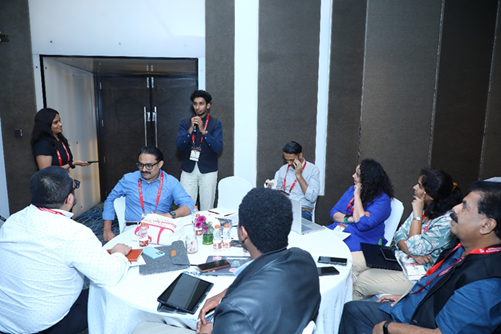
A second discussion addressed whether removing APCs is enough to prevent new divides between early-career researchers in high-income and low- and middle-income contexts. Participants emphasised that financial reform alone does not eliminate inequity. Persistent disparities in infrastructure, governance capacity, and recognition systems require coordinated policy responses, including reallocating existing subscription and APC expenditures toward national and regional open infrastructure. Libraries and public institutions were identified as key coordinating actors, alongside the importance of global disciplinary solidarity.

The final breakout focused on skills. Diamond Open Access demands competencies beyond academic writing, particularly in science communication, data stewardship, and societal translation. Institutions must formalise training pathways, senior researchers must mentor early-career colleagues in governance and leadership, and networks such as CODATA Connect can play a catalytic role in capacity building.

Together, the discussions reinforced that Diamond Open Access is not simply a publishing reform, but a systems reform agenda in which early-career perspectives must be structurally embedded.
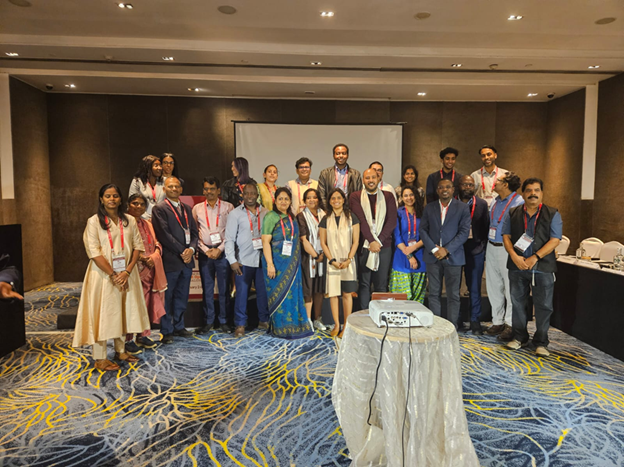
The recording of the session is available on:

https://www.youtube.com/live/_zjJKbqB6Mo?si=8UZr0-jHxtMmlEkr (4:43:30 to 6:30:58)

Disaster Risk Reduction and Open Data Newsletter: February 2026 Edition

Why Infrastructure Must Shift from Disaster Recovery to Resilience in a High-Risk World

Asia and the Pacific face over US $170 billion in annual disaster losses as infrastructure built for past climates fails under modern risks. The Asian Development Bank (ADB) calls for a shift from post‑disaster rebuilding to proactive, climate‑resilient infrastructure. ADB urges governments to integrate climate risk into infrastructure policy and financing while expanding resilience bonds, blended finance, and adopting nature‑based solutions. It argues that resilient, risk‑informed design protects growth and stability, making infrastructure safer and more sustainable.

Malawi mobilizes government and community commitment to early warnings

Malawi is emerging as a model for climate‑vulnerable nations by uniting political leadership, communities, and international partners to strengthen early warning systems under the Climate Risk and Early Warning Systems (CREWS) initiative.

During a high‑level four‑day mission, officials launched the national Early Warnings for All Roadmap, aimed at improving coordination, sustainable financing, and community‑focused early action. Backed by a new US $3.84 million project with UNDP and the Systematic Observations Financing Facility, Malawi will expand its capacity to generate and share high‑quality weather data, closing long‑standing gaps in observation networks. Field visits in Zomba showcased how better forecasts, inclusive planning, and indigenous knowledge are already saving lives. Partners praised Malawi’s proactive approach as an example of progress toward universal, people‑centred early warning coverage.

UNESCO and ICHCAP support Pacific countries in integrating living heritage into education and disaster preparedness

Fiji, Tonga and Vanuatu are among the Pacific countries most exposed to natural hazards, facing recurring climate-related and geophysical risks that threaten not only lives and infrastructure, but also the transmission and viability of living heritage. At the same time, the potential of intangible cultural heritage as a resource for education and resilience has remained largely underutilized in formal learning environments.

The joint UNESCO–ICHCAP project “Integration and Safeguarding of Intangible Cultural Heritage and Disaster Risk Reduction in Educational Approaches in the Pacific” was designed to respond to these challenges. The initiative aimed to bridge cultural safeguarding with education and disaster risk reduction frameworks, placing traditional knowledge and community practices at the centre of resilience-building.

Empowering a resilient future through innovative climate financing

As climate‑related disasters become more frequent and severe, developing countries are increasingly at risk of losing the development gains they have worked so hard to achieve. In this article, Dr Bapon Fakhruddin highlights how innovative financial instruments can shift disaster management from reactive response to proactive risk management.

The Green Climate Fund’s blended finance model — combining grants, low‑interest loans, guarantees, insurance, and equity — helps make resilience projects viable and appealing to private investors. Tools like parametric insurance and catastrophe bonds provide quick funding after disasters, easing fiscal pressure. By linking early warning systems, risk‑reduction measures, and financial protection, innovative climate finance helps countries save lives, keep essential services running, and support sustainable development in an increasingly fragile climate.

From coverage to protection: Putting a risk diagnostic to work in The Gambia

The Gambia is facing mounting risks from droughts and flash floods that threaten food security and displace communities. A new disaster risk diagnostic, developed with the Centre for Disaster Protection, is helping the government map financial vulnerabilities and link insurance payouts directly to community support. This work has already unlocked a USD 10 million World Bank grant to expand protection against floods and windstorms. This marks a major step toward shifting The Gambia from reactive disaster response to proactive, risk‑layered financial resilience.

Prepare or Repair: How climate-proofing public infrastructure pays off

As climate hazards intensify, Canada faces a critical choice: invest now in climate‑resilient infrastructure or pay far more later in damage and repair costs.

This landmark report quantifies how proactive adaptation—such as strengthening flood defences, retrofitting essential assets, and modernizing design standards—delivers major long‑term savings while safeguarding communities and economic stability. Through national data modelling and scenario analysis, it reveals that early investments of roughly $2.5 billion annually could prevent over $3 billion in damage each year by mid‑century. Beyond economics, the report underscores how climate‑proofed infrastructure strengthens public safety, reduces inequality in disaster impacts, and improves household well‑being.

Prepare or Repair argues that adapting early saves money later—making resilience a sound financial choice, not just an environmental one.

Strategic master plan for coastal city risk mitigation: a case study of Kuala Nerus and Kuala Terengganu, Malaysia

This study presents an innovative, data‑driven framework to help Malaysia’s coastal cities adapt to intensifying climate hazards such as erosion, flooding, & sea‑level rise.

Focusing on Kuala Terengganu and Kuala Nerus, the study introduces the Coastal City Spatial Master Plan (CCSMP)—a tool that uses deep learning, GIS modelling, and multi‑criteria analysis to identify suitable areas for sustainable urban growth and reduce exposure to risk. The researchers found that nearly half of the region’s southern zones are low‑hazard and ideal for urban growth, whereas parts of the northern coastline face severe erosion and future inundation threats. By merging advanced modelling techniques with participatory planning, the study provides policymakers and planners with a repeatable methodology for designing climate‑resilient coastal cities and balancing urban expansion with environmental protection.

Beyond warnings and shelters: Local institutions and trust build cyclone resilience in Bangladesh

Tropical cyclones severely threaten coastal Bangladesh, making it crucial to understand how communities respond to preparedness and warning systems and how effectively local institutions reduce risk and support recovery.

Drawing on 279 household surveys, 28 focus group discussions, and 30 key informant interviews across seven coastal districts, the study finds traditional warning systems remain most effective, though digital and mass media show spatial gaps. Male-headed and farming households has 11-13 percentage points higher warning reach than female-headed and fishing households. Evacuation closely correlated with shelter quality, while fear, cost, and false-alarm fatigue deterred others. Damage was severe and uneven – crop losses 91% Barguna, fishing asset losses 95% in Patuakhali, housing damage 80% in Bhola.

The study calls for stronger infrastructure, inclusive communication, and accountable governance to build lasting resilience.

Germany – The Economic Case for Investing in Disaster Preparedness and Resilience : Summary Report

This report presents a compelling economic case for investing in disaster and emergency preparedness to strengthen Germany’s resilience against climate‑related and other future shocks. It helps policymakers identify and prioritize urgent, cost‑effective opportunities to enhance national preparedness and civil protection capacity.

The analysis highlights that resilience investments deliver strong economic and social benefits, even when disasters do not occur. As risks evolve, ongoing monitoring and continuous improvement of protection systems are essential. Evidence from across Europe shows that such investments consistently yield high returns, with benefit‑cost ratios (BCRs) of €2–10 per €1 invested.

In Germany, every €1 spent on preparedness and prevention generates a median economic return of €2–6, with some individual cases reaching as high as €500—making proactive resilience investment both a prudent and profitable strategy.

Glacier Adaptation and Financing Webinar 

As the world marks 2025 as the “Year of the Glacier,” this webinar will explore how innovative financing and data‑driven strategies can accelerate global efforts to adapt to glacier retreat and protect vulnerable communities. Glaciers are vital for water security, ecosystems, and livelihoods, yet their rapid decline due to climate change is intensifying water scarcity risks and glacial lake outburst floods (GLOFs). The session will highlight the role of comprehensive climate data, cross‑border collaboration, and inclusive, community‑centred approaches in building long‑term resilience. Speakers will share diverse perspectives and experiences on financing mechanisms, policy innovation, and regional climate knowledge platforms that can help safeguard the cryosphere and strengthen adaptation capacity worldwide.

Date and time: 3 March 2026, 9:00 am – 9:45 am CEST

Urban Agglomerations: Presenting a New Prototype

This webinar will present a new prototype developed to create urban agglomerations using the degree of urbanisation. Urban agglomerations—cities or towns and their contiguous suburbs—provide a more accurate picture of labour and housing markets than single urban centres. They are also critical for tracking urban expansion, density changes, and shaping effective transport and land‑use policies.

Date and time: Friday, 27 February 2026, 13:00 – 14:30 (CET)

Humanitarian Finance Summit 2026 – Financing the Future of Humanitarian Action

Building on global discussions around climate resilience and innovative financing, the 2026 Humanitarian Finance Summit will convene in London to address one of the most pressing challenges of our time – the urgent reform of humanitarian financing. As traditional donor models falter and international cooperation faces new strains, the Summit will bring together leaders from across public, private, and philanthropic sectors to reimagine how humanitarian action can be sustained and scaled in a rapidly changing global landscape.

Under the theme “Financing the Future of Humanitarian Action,” the event will explore equitable partnerships, locally driven solutions, and new financial instruments that connect humanitarian aid to broader capital markets. Sessions will delve into pre‑arranged finance, insurance‑linked instruments, impact bonds, and catalytic donor capital—all aimed at translating innovative concepts into real, deployable resources for crisis response.

Date and location: 26 February 2026, London, United Kingdom

Africa’s Green Economy Summit (AGES) 2026

Returning to Cape Town from 24 – 27 February 2026, Africa’s Green Economy Summit (AGES) serves as the continent’s premier dealmaking platform connecting global capital with high‑impact, investment‑ready projects across the green and blue economy. Designed as a catalyst for sustainable growth, innovation, and inclusion, AGES 2026 will showcase opportunities spanning renewable energy, transport, water, waste, sustainable agriculture, green buildings, the blue economy, and climate technologies.

This year’s summit will feature 50+ investment‑ready projects presented across two dedicated pitch stages, alongside curated investor matchmaking, roundtables, and deal rooms engaging DFIs, venture capital, banks, and asset managers. With a strong focus on nature‑based finance and biodiversity markets, the event highlights Africa’s leadership in green solutions while offering immersive site visits and exclusive networking initiatives across Cape Town’s sustainability landscape.

Date and location: 24 – 27 February 2026, Cape Town, South Africa

WWRP Weather and Society Conference 2026

Extreme hydrometeorological events affect society, economies and the environment as never before in human history. Government agencies, science and decision makers face an unprecedented extreme event management challenge to reduce risks to citizens.

The World Weather Research Programme’s Working Group on Societal and Economic Research Applications (SERA) will host the 3rd “Weather and Society” Conference. The event brings together leading researchers, practitioners, and stakeholders to explore the critical intersection of meteorological science and societal applications.

Date (Europe/ London): 23 Feb 2026 – 27 Feb 2026

Global Ocean Oxygen Network (GO2NE) 43rd webinar on ocean deoxygenation

Please join the Global Ocean Oxygen Network (IOC Expert Working Group GO2NE) on 18 February for the latest session of its webinar series on ocean deoxygenation.

The webinar will feature presentations by two ocean oxygen scientists, followed by moderated discussion sessions. Speakers will discuss the latest globally relevant ocean oxygen research in the context of their fields of research and expertise. The series is moderated by GO2NE working group members and guest experts.

Date and time: 18 February 2026, 15:00 – 16:00 UTC

Towards a data strategy for the Fifth International Polar Year (IPY5)

As I wrote this during the week of the solstice, the sun never set at the South Pole, and it never rose at the North Pole. That difference – the tilt of the Earth relative to the sun  –  drives the climate system. It gives us the seasons and the temperature differences that move the atmosphere and ocean. 

The poles are also bellwethers of change. Glaciers, ice sheets, and sea ice are rapidly receding. Ground frozen for millenia is thawing and buckling. Coasts are flooding. People are displaced, and species are dying. 

Understanding the poles is critical to understanding the Earth, but it is difficult to study a place that is often dark, cloudy, and frozen. Studying the poles requires coordination.

Initially, Western study of the poles was more about heroic exploration and conquest rather than scientific understanding. Then in 1875, one of those heroic explorers, Karl Weyprecht of the Austro-Hungarian Navy, realized that they needed to be better about collecting good data, and he proposed an internationally coordinated program of scientific observations. This ultimately led to the first International Polar Year (IPY) in 1882-83.

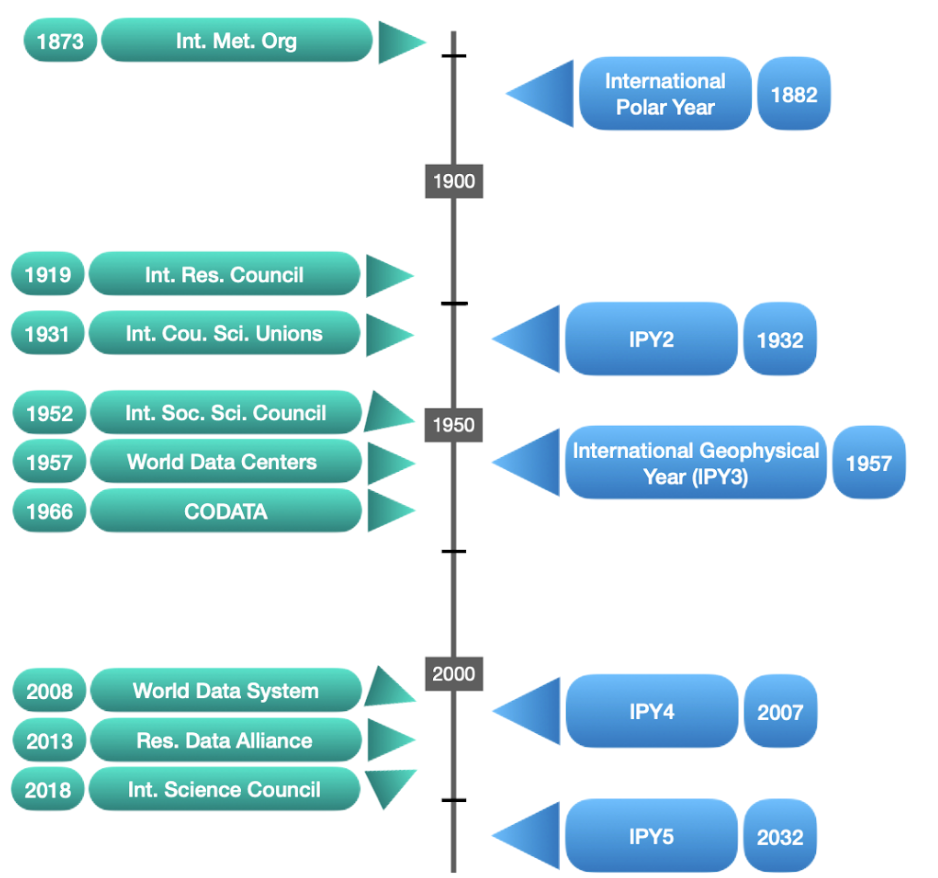
Since then, there have been three more International Polar Years in 1932, 1957, and 2007. Each of these marked a milestone in scientific coordination and data stewardship. IPY1 established meteorological stations that still collect ongoing records today. IPY2 established more stations and made major advances in radio science but also highlighted the vulnerability of data during major social upheaval (World War II). IPY3, the International Geophysical Year, launched the modern scientific era and established the World Data Centers to share scientific data across geopolitical divides. IPY4 made real the nascent concepts of ethically open data policy, federated data search, and respectful inclusion of Indigenous knowledge.

Indeed, as the timeline below illustrates, IPY has been intertwined with the roots of international scientific organizations and data systems.                  

Now we plan IPY5 (2032-33). What advances will it bring? CODATA has a keen interest in ensuring that IPY5 is a success and marks another step forward in data stewardship. We believe that with adequate resources, the data stewardship community should be able to support major international science initiatives almost as a matter of course. We know how to do this, and at the same time we can take advantage of modern technologies and what we have learned to accelerate Earth system science understanding even more.

The purpose of IPY5 is to unite scientists and Indigenous knowledge holders to advance polar research and produce actionable insights for mitigating and adapting to environmental changes, while promoting international collaboration and inclusivity. It is based on seven core principles (with items of direct relevance to the data community highlighted here):

    • Fostering the widest possible international collaboration to produce knowledge for action with direct societal relevance.
    • Committing to inclusive and diverse practices, including the implementation of equitable and ethical standards for engagement and cooperation with Indigenous Peoples and their knowledge systems.
    • Striving for holistic, systemic, transdisciplinary research approaches that minimise environmental footprints. This includes co-design of research programs and co-production of knowledge across different knowledge systems, as well as ensuring that funding programs are directly supporting and financing Indigenous People´s comprehensive participation for the benefit of all parties.
    • Ensuring balanced involvement and information flow, identification of areas of common interest, and effective knowledge exchange across Arctic and Antarctic polar research communities and networks.
    • Encouraging  open science and open data, according to the FAIR (Findable, Accessible, Interoperable, Reusable) and CARE (Collective benefit, Authority to control, Responsibility, and Ethics) data principles.
    • Encouraging effective and inclusive science communication, polar education, and public engagement, both in the polar regions and globally.
    • Engaging in capacity building and sharing for early-career scientists, Indigenous Peoples and those from historically under-represented groups across the polar regions and polar research disciplines.

The International Arctic Science Committee (IASC), the Scientific Committee on Antarctic Research (SCAR), the International Science Council (ISC), and the World Meteorological Organization (WMO) have established an IPY5 Planning Group, and CODATA was recently accepted as a member. I am acting as the CODATA representative and want to involve the broad data community. Let’s make sure data stewardship is embedded in IPY planning and action.

To that end, a group of us have proposed an IPY5 Data Task Group to develop an initial data strategy for data to be FAIR, handled with CARE, and preserved with TRUST. It will be an approximately 16-month effort to provide resources and develop recommendations, building on existing systems while identifying gaps. Chantelle Verhey (Arctic Data Committee), Jonathan Kool (WDS and Standing Committee on Antarctic Data Management), and Michaela Miller (Southern Ocean Observing System) co-chair the task group, and I am acting as a coordinator or secretary. The task group is open to all, so please contact me if you are interested. We want to make sure we connect to relevant systems and repositories beyond traditional polar organizations.

Although formal acceptance of the task group is still pending, CODATA supported my attendance at  International Data Week and the subsequent Polar Data Forum. At IDW, we took a broad view. Michaela, Chantelle, and I led a working session entitled  “So much going on!” How to best coordinate international efforts for data management. The idea was to identify ways where repositories can work “glocally” and serve the idiosyncratic needs of their immediate community while also fitting into global and interdisciplinary initiatives.

After some discussion we focussed on one key tension: Data providers do not adhere well to standards making integration into common systems difficult. We recognized that increasing automation and AI can help mitigate this, but contextual information from the provider is still essential. For example, repositories should be able to accept any common data format, but providers must still define the variables they used. The general takeaway was that researchers need to improve their data hygiene and data repositories need to relax their standards. This is not groundbreaking, but it illustrates the need for collaborative effort.

At the Polar Data Forum in Hobart the following week, we held an initial, half-day workshop to delve more deeply into IPY data planning. Participants divided into groups addressing different data planning topics. Each group identified relevant resources and initiatives and proposed recommendations to address the issues.

The four topics addressed were:

  1. The minimum set of ideas and considerations that should be front of mind when planning large international initiatives.
  2. An inventory of existing polar archives, data tools, protocols, vocabularies, and systems. 
  3. Data advocacy and education for researchers and students.
  4. Funding for data planning, management, and coordination.

Each group produced detailed notes. The first group took a big picture view while the other three dug into more specifics. One online individual worked independently and clarified and reinforced several recommendations.

A central theme was that data management must be planned in advance and throughout a project. Data repositories must be identified and data systems defined before IPY begins, and this should be a requirement for IPY project approval. In that regard, an annotated inventory of data stewardship resources will be essential. We plan to develop a database or knowledge graph of these resources and welcome ideas and input. We would also like to see basic data training be a requirement of IPY participants. Ideally, a data professional would be embedded in every IPY project. At a minimum, data management funding must be included in every project and for the initiative as a whole.

Perhaps most critically, we as data professionals need to be looking forward. We need to be considering new and advanced methods using machine learning, cloud computing, and trusted research environments while remaining grounded in core principles such as FAIR, CARE, and TRUST. Equally important is the active and ethical inclusion of Indigenous knowledge. We only touched on this during the workshop. More dedicated effort is required.

CODATA sees IPY5 as an opportunity to demonstrate how solid data management is central to the success of any major scientific initiative. We aim to build on the history of past IPYs and ensure that the next IPY represents a step change in global data stewardship. Please join us: get in touch with Mark Parsons <parsonsm.work@icloud.com>.

January 2026: Publications in the Data Science Journal

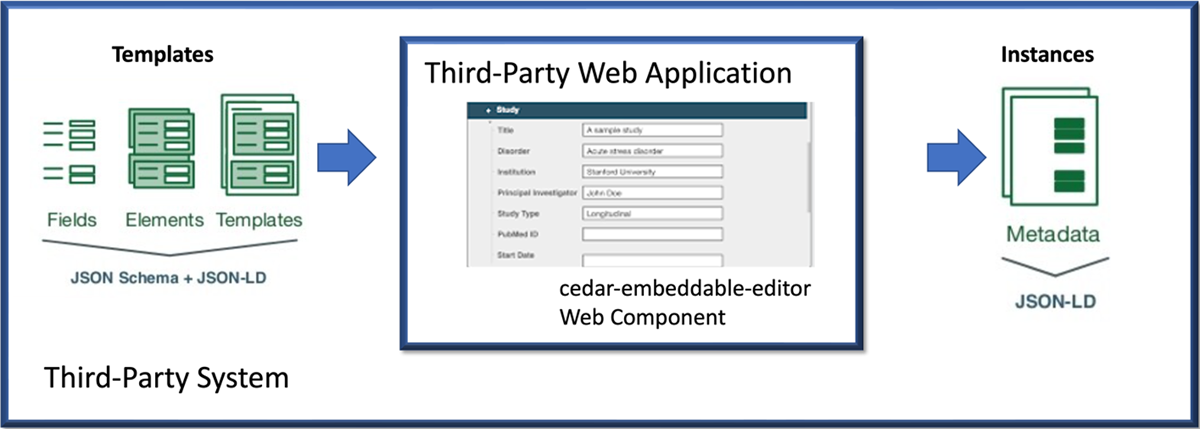
Title: Author Once, Publish Everywhere: Portable Metadata Authoring with the CEDAR Embeddable Editor
Author: Martin J. O’Connor, Marcos Martínez-Romero, Attila L. Egyedi, Mete U. Akdogan, Michael V. Dorf, Mark A. Musen
URL: http://doi.org/10.5334/dsj-2026-002
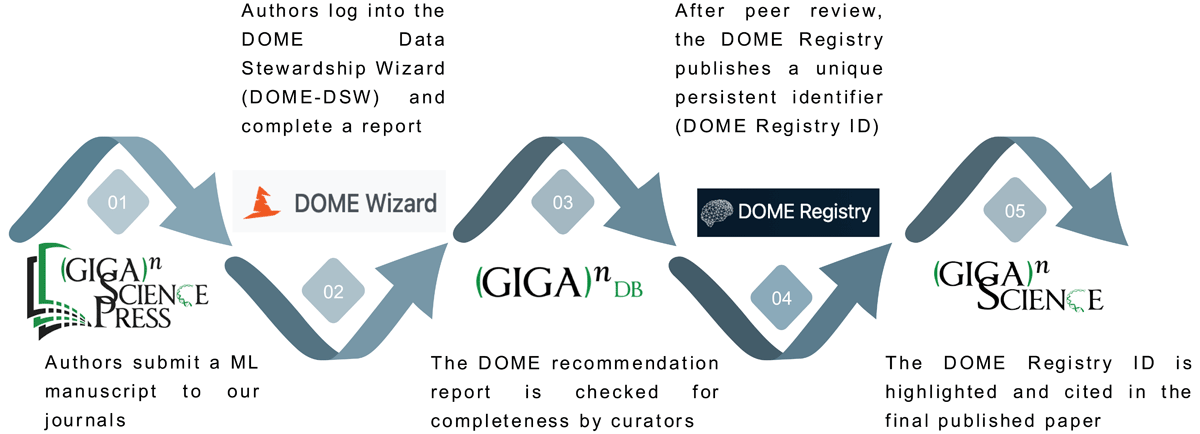
Title: Integrating Machine Learning Standards in Disseminating Machine Learning Research
Author: Scott C. Edmunds, Nicole Nogoy, Qing Lan, Hongfang Zhang, Yannan Fan, Hongling Zhou, Chris Armit
URL: http://doi.org/10.5334/dsj-2026-001